
Corey Keller MD, PhD
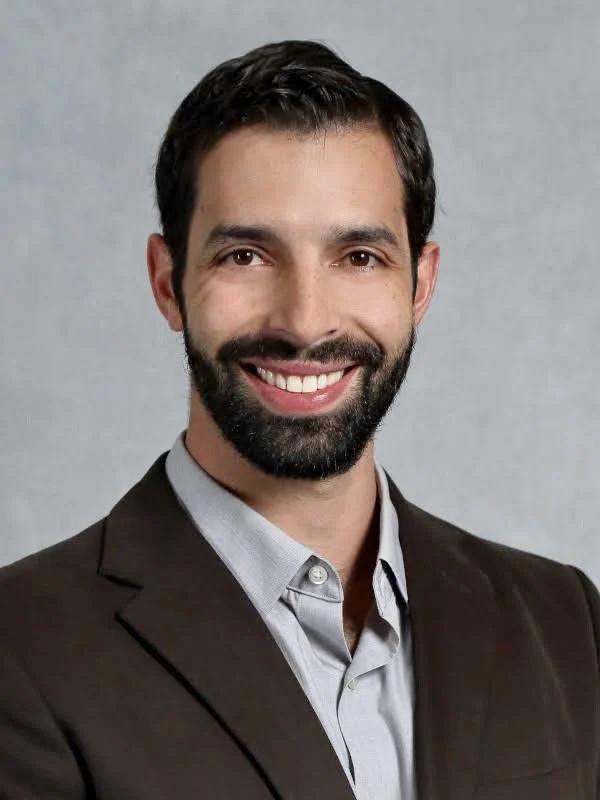
Principal Investigator
ckeller1@stanford.edu
Appointments
Associate Professor, Psychiatry & Behavioral Sciences, Stanford University
Member, Wu Tsai Neurosciences Institute
Member, Bio-X
Education
Residency, Stanford University
MD and PhD in Neuroscience, Albert Einstein College of Medicine
BS in Electrical and Biomedical Engineering, Tufts University
Funding
3 active NIH R01s
BWF Career Award for Medical Scientists
NIH Director’s Early Independence Award DP5
NIMH K23 Award (completed)
NIINDS F31 (completed)
External Links
“My purpose is to invent and refine the tools that let us see and shape the brain with unprecedented precision — so we can both unlock its deepest puzzles and create new treatments for brain disorders. Along the way, I want to mentor others to find the same joy in rigorous, big-idea science.”
Christopher Cline, PhD
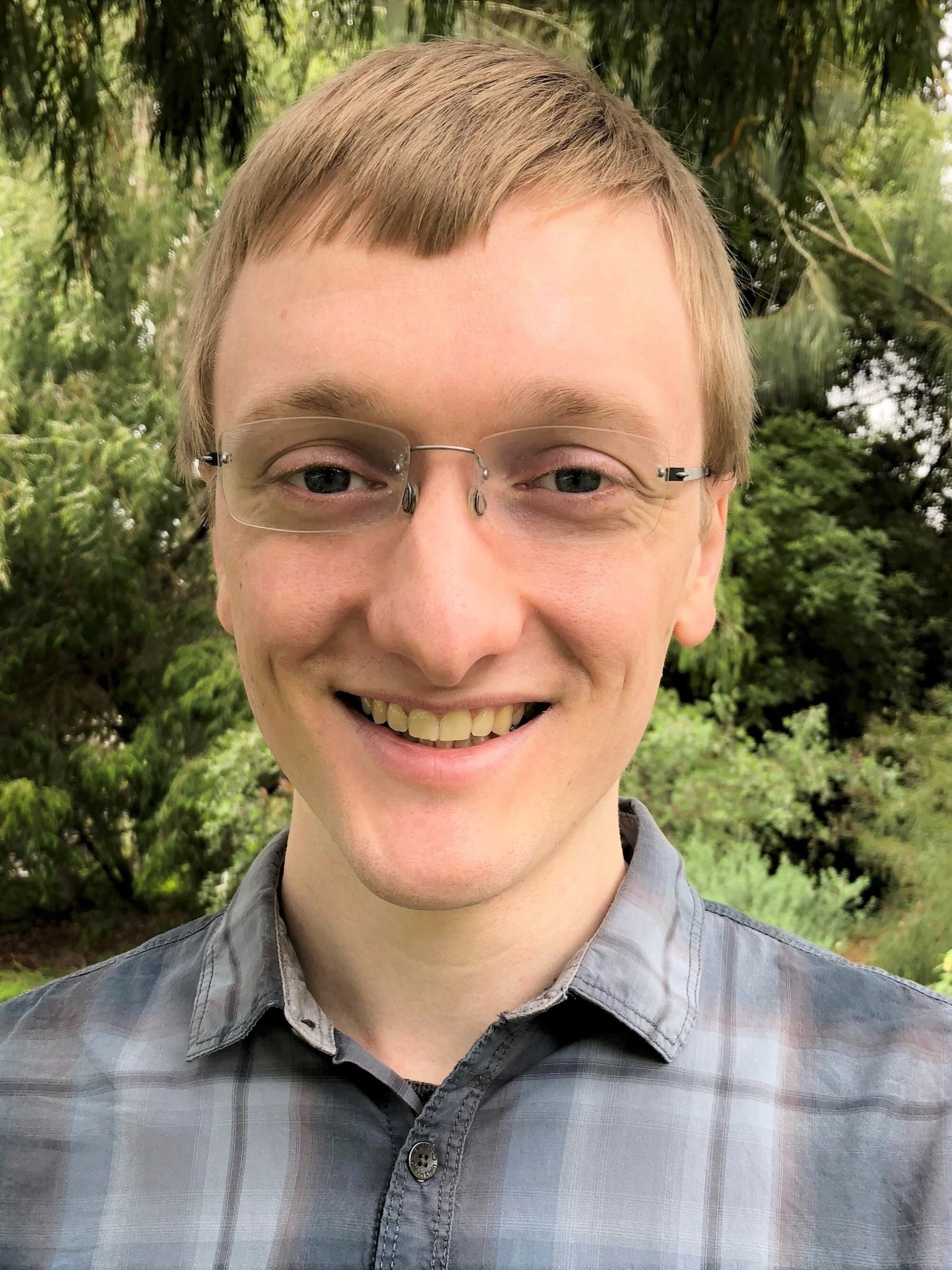
Co-Director, Research Engineer
cccline@stanford.edu
About
Christopher Cline received a Ph.D. in Biomedical Engineering with a minor in Neuroengineering from the University of Minnesota in 2018, and a B.S. in Electrical Engineering from the University of Wisconsin–Madison in 2013. His previous research has focused on EEG-based brain-computer interfaces, novel methods for concurrent TMS and EEG, and other neuroimaging approaches. As a Staff Scientist in the Keller Lab at Stanford, his research interests include development of real-time EEG-informed neuromodulation techniques to improve the efficacy and reliability of TMS for clinical interventions. During his free time, he enjoys hiking and playing around with home automation.
Education
PhD in Biomedical Engineering, University of Minnesota
BS in Electrical Engineering, University of Wisconsin
External Links
POSTDOCS
-
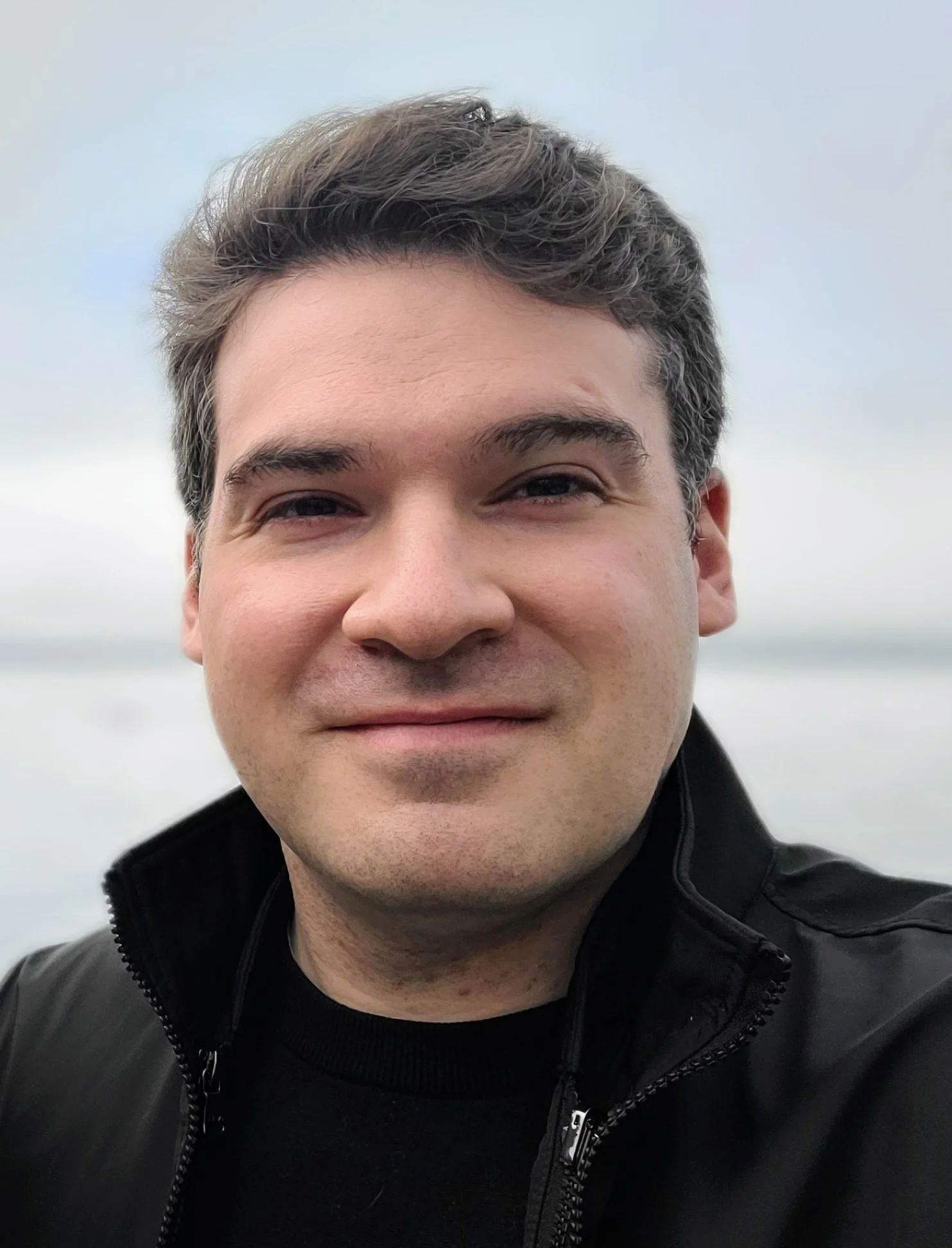
ETHAN SOLOMON, MD, PhD
INSTRUCTOR
Ethan Solomon earned his MD, PhD in bioengineering at the University of Pennsylvania and is now a research-track resident in psychiatry at Stanford. His thesis work used intracranial EEG and electrical brain stimulation to characterize the patterns of functional connectivity that relate to human episodic memory. Ethan is interested in understanding psychiatric illness through the lens of direct brain recordings and stimulation, with a particular focus on hippocampal function in psychotic illness. In his free time, Ethan enjoys taking his cats for walks and advocating for better bike lanes and denser housing in the Bay Area. -
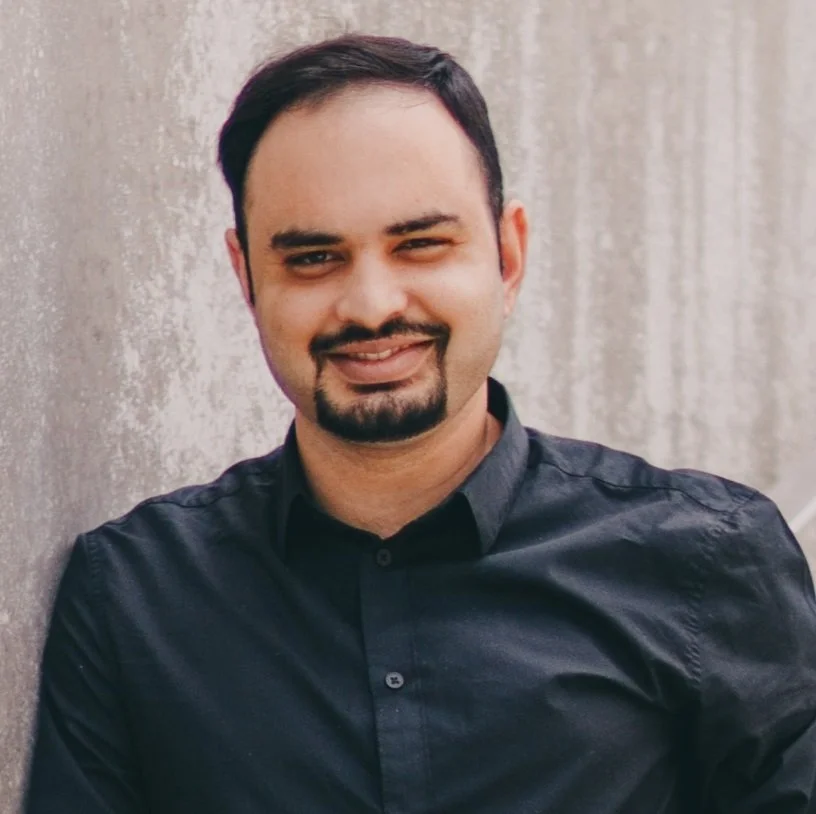
UMAIR HASSAN, PHD
POSTDOCTORAL FELLOW
Umair Hassan received a Ph.D. in Translational Neuroscience, specializing in multimodal brain stimulation, from Prof. Til Ole Bergmann’s Neurostimulation lab at the Johannes Gutenberg University, Germany in 2022. He also holds an M.S. in Biomedical Engineering and a B.S. in Mechanical Engineering from one of Pakistan's most prestigious universities, NUST. Umair's research has primarily focused on the use of real-time EEG triggered TMS, concurrent TMS-fMRI, concurrent TMS-TUS, EEG-TACS, as well as open-source and legacy software and hardware developments to conduct cutting-edge brain stimulation research during both sleep and wakefulness. His research interests lie in understanding the function of neural oscillations to develop and improve personalized neuromodulation protocols. -
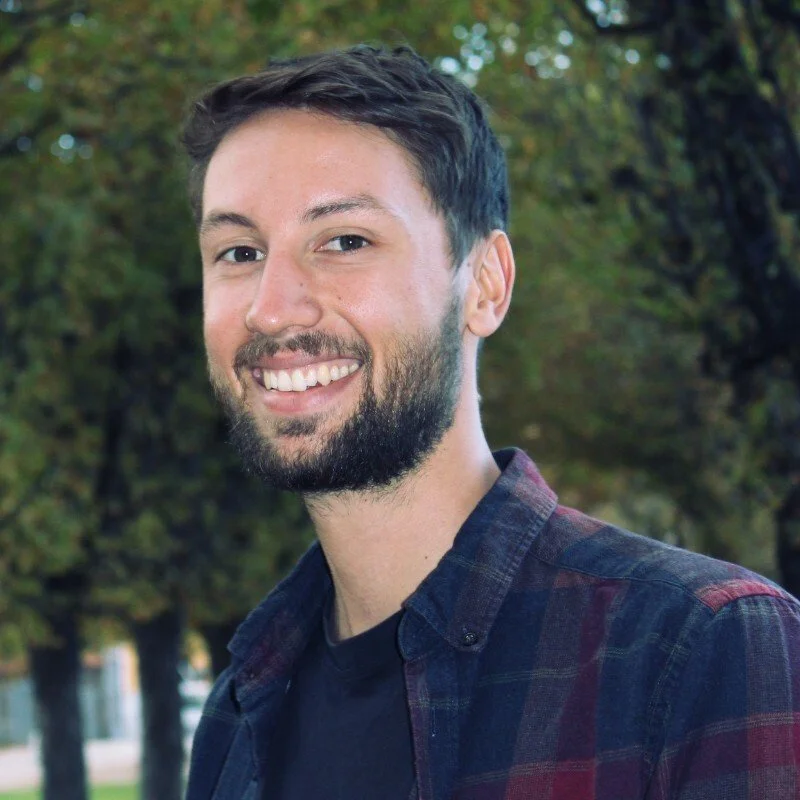
LEONHARD SCHREINER, PHD
POSTDOCTORAL FELLOW
Leo is a postdoctoral fellow at the Precision Neurotherapeutics Lab working on personalized real-time, closed-loop treatments for psychiatric disorders using TMS-EEG. He previously worked as a neural engineer at the Austrian-based neurotech company g.tec medical engineering, where he developed brain-computer interface stroke rehabilitation and high-resolution brain recording systems. He received an MSCA fellowship for his Ph.D. at g.tec and the Institute for Integrated Circuits and Quantum Computing at Johannes Kepler University, where he developed ultra-high-density EEG systems and wireless BCI integrations. During his MSCA fellowship, he was a visiting research scientist at Aalborg University Copenhagen and UPV Valencia. Outside the lab, Leo enjoys outdoor adventures, sports, and cooking. -
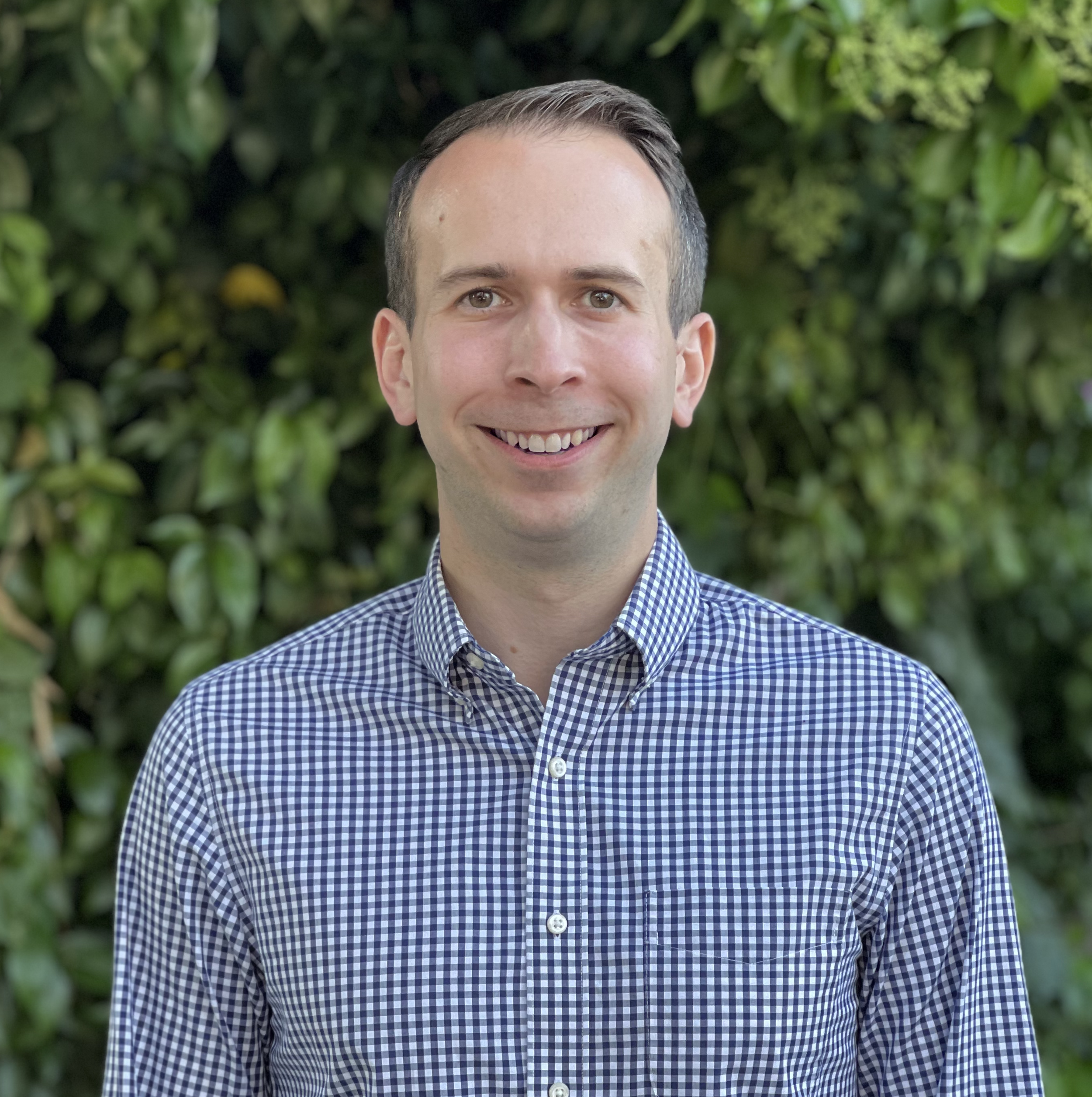
CHARLIE DICKEY, MD, PHD
PSYCHIATRY RESIDENT
Charlie Dickey received his MD, PhD in Neurosciences with Prof. Eric Halgren at UCSD. He is currently a Research Track Resident in Psychiatry at Stanford. His research has used intracranial macroelectrode and microelectrode recordings to study the neurophysiology of human memory. In particular, his work has sought to understand how oscillations in the brain are coordinated with single unit spiking to facilitate plasticity underlying memory. Charlie is interested in leveraging his background toward advances in neuromodulation to improve treatments for neuropsychiatric disorders. In his free time, Charlie likes to produce music, bike, and barbecue. -
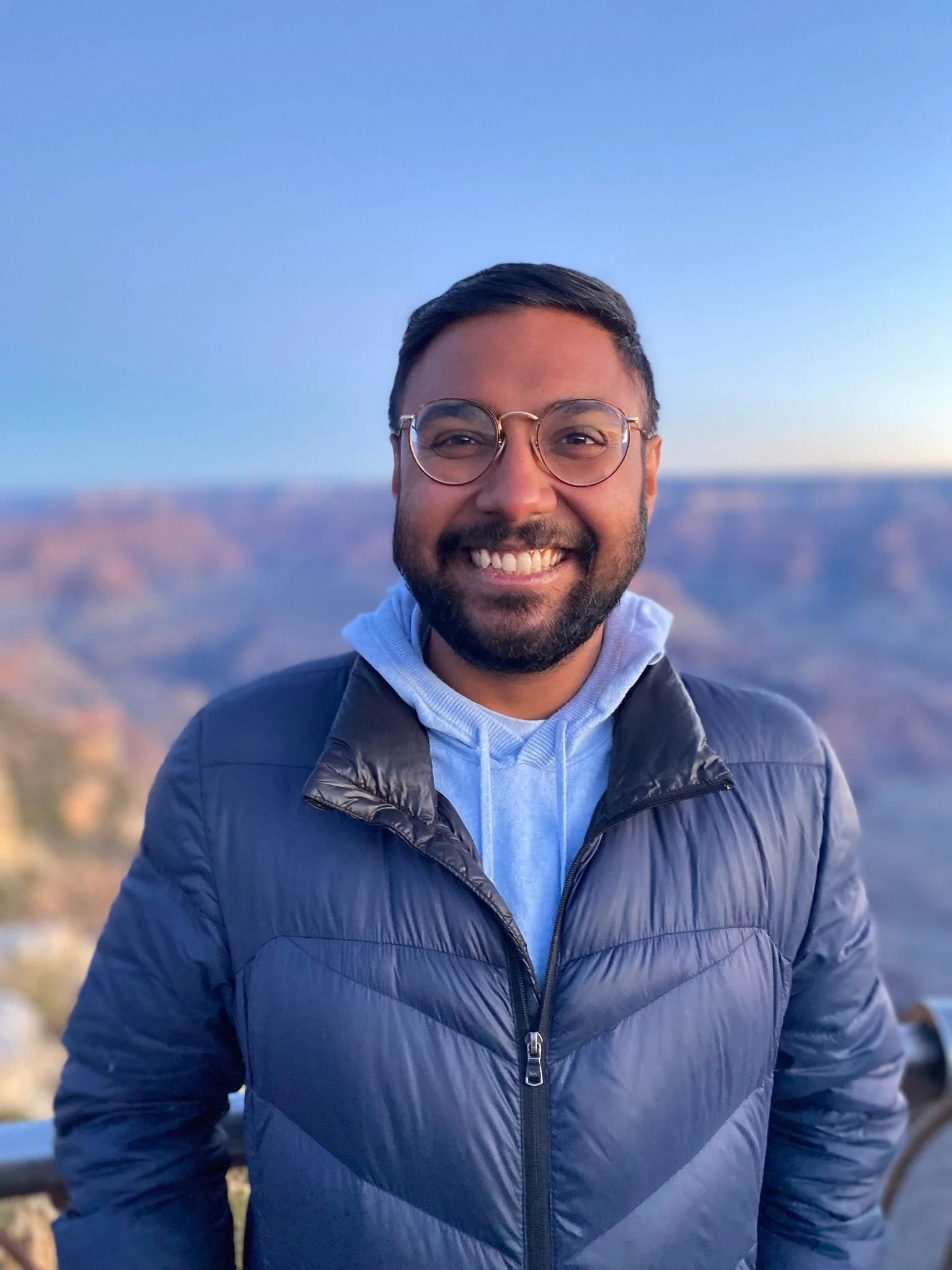
AJAY SUBRAMANIAN, PHD
POSTDOCTORAL FELLOW
Ajay is a Kansas-born-and-raised Postdoctoral Fellow at Stanford housed in the Materials Science and Engineering department. He obtained his B.S. in Materials Science and NanoEngineering at Rice University and has worked in a variety of fields ranging from 3D printing and carbon nanomaterials synthesis, to solar cell and battery material research, to now work in the interdisciplinary field of neurotechnology. At Stanford, Ajay has been cultivating an expertise in flexible, stretchable electronic materials and biocompatible device design in parallel to investigating how novel devices can inform us about the brain. In the Keller Lab, Ajay is working on determining biomarkers for psychiatric disorders through human electrophysiological data, with the goal of delivering insight on new tool and device development for the treatment and diagnosis of those diseases. Outside of the lab, Ajay is an avid musician and video gamer, and loves to play tennis and soccer. -
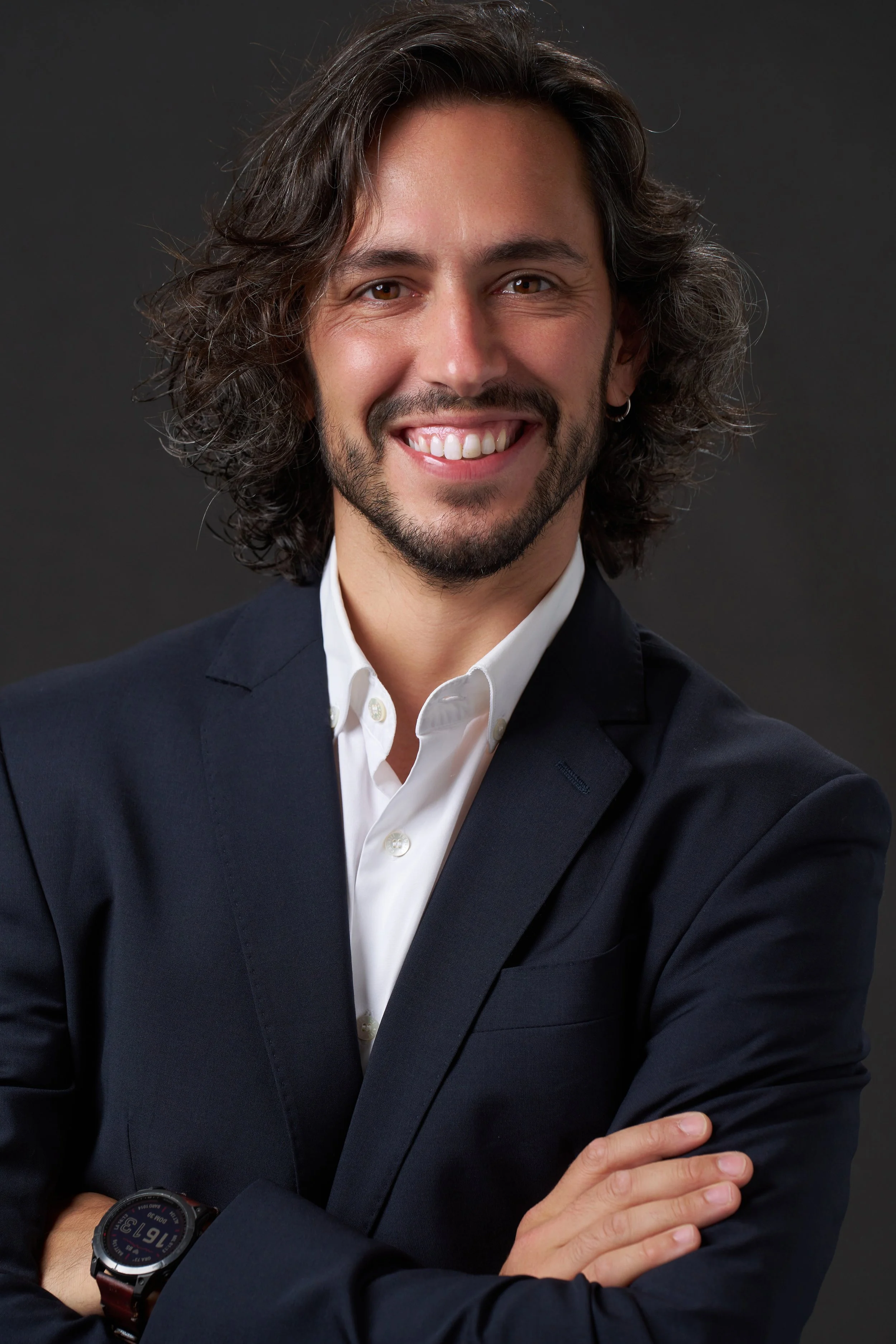
GIACOMO BERTAZZOLI, PhD
POSTDOCTORAL FELLOW
Giacomo Bertazzoli, PhD, is a postdoctoral fellow focused on using neurophysiology to predict clinical outcomes of TMS treatments in psychiatry and neurology. During his PhD at the University of Trento and IRCCS Fatebenefratelli, he studied the reliability of TMS-evoked potentials and their relationship to cognitive decline in Alzheimer's disease. At Beth Israel Deaconess Medical Center, he investigated how amyloid burden in older adults affects iTBS-induced cortical plasticity. He leads NIBS-BIDS, an international effort to standardize non-invasive brain stimulation data.
PHD & MD STUDENTS
-
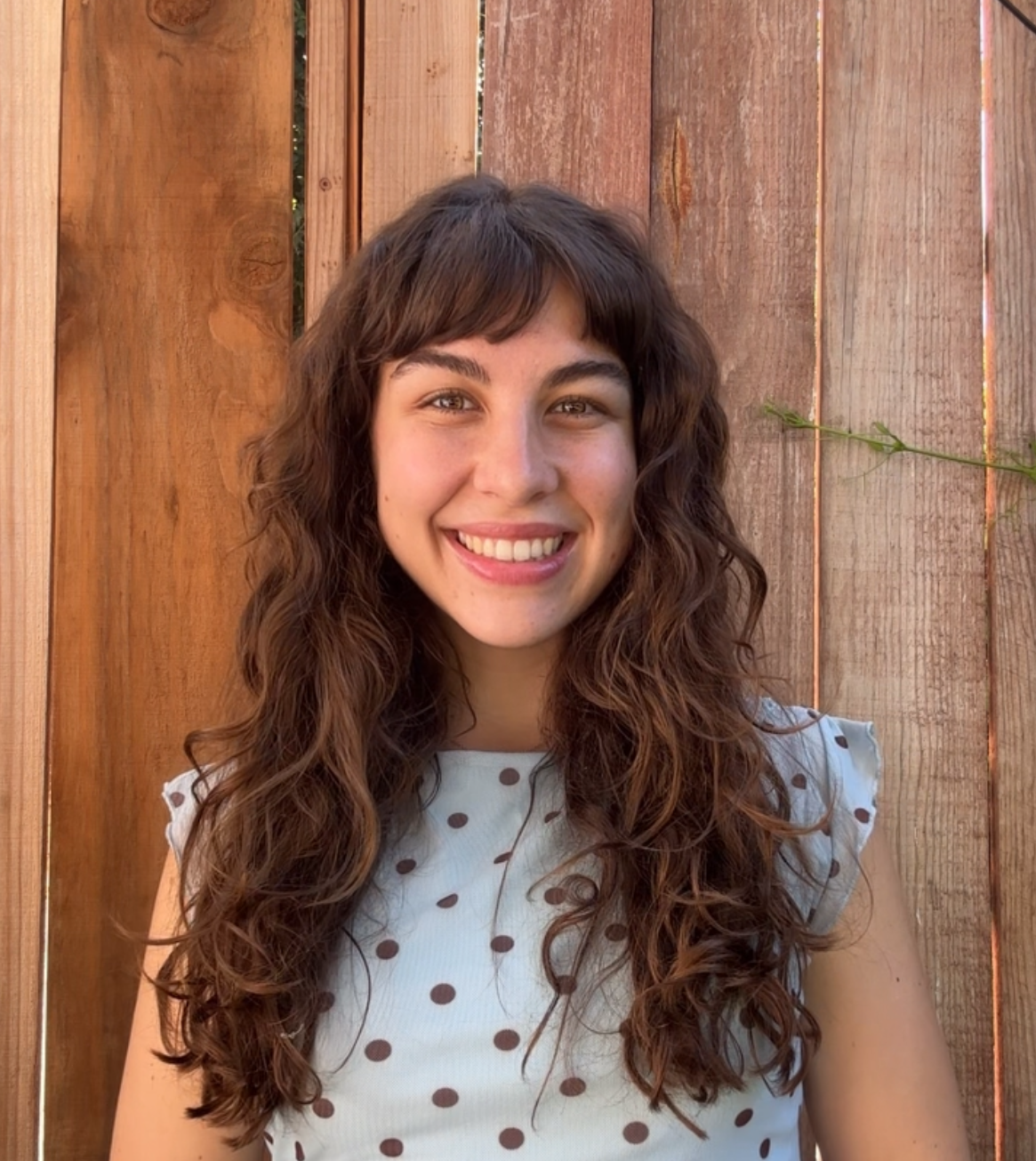
SAMANTHA GRAY, BS
PHD STUDENT, NEUROSCIENCE
Sam is currently pursuing a PhD in Stanford's Neuroscience program. She received her bachelor's degree from the University of California, San Diego in 2021, where she majored in Cognitive and Behavioral Neuroscience with a minor in Psychology. During her post-bacc at Northwestern University, she used intracranial EEG and single neuron recordings from neurosurgical patients to investigate the neural mechanisms of memory within the human hippocampus and frontal cortices. She is broadly interested in understanding how single neurons and large-scale brain dynamics give rise to emotional processing and behavior. In her free time, Sam enjoys going to concerts, camping, thrifting, and hot yoga. -
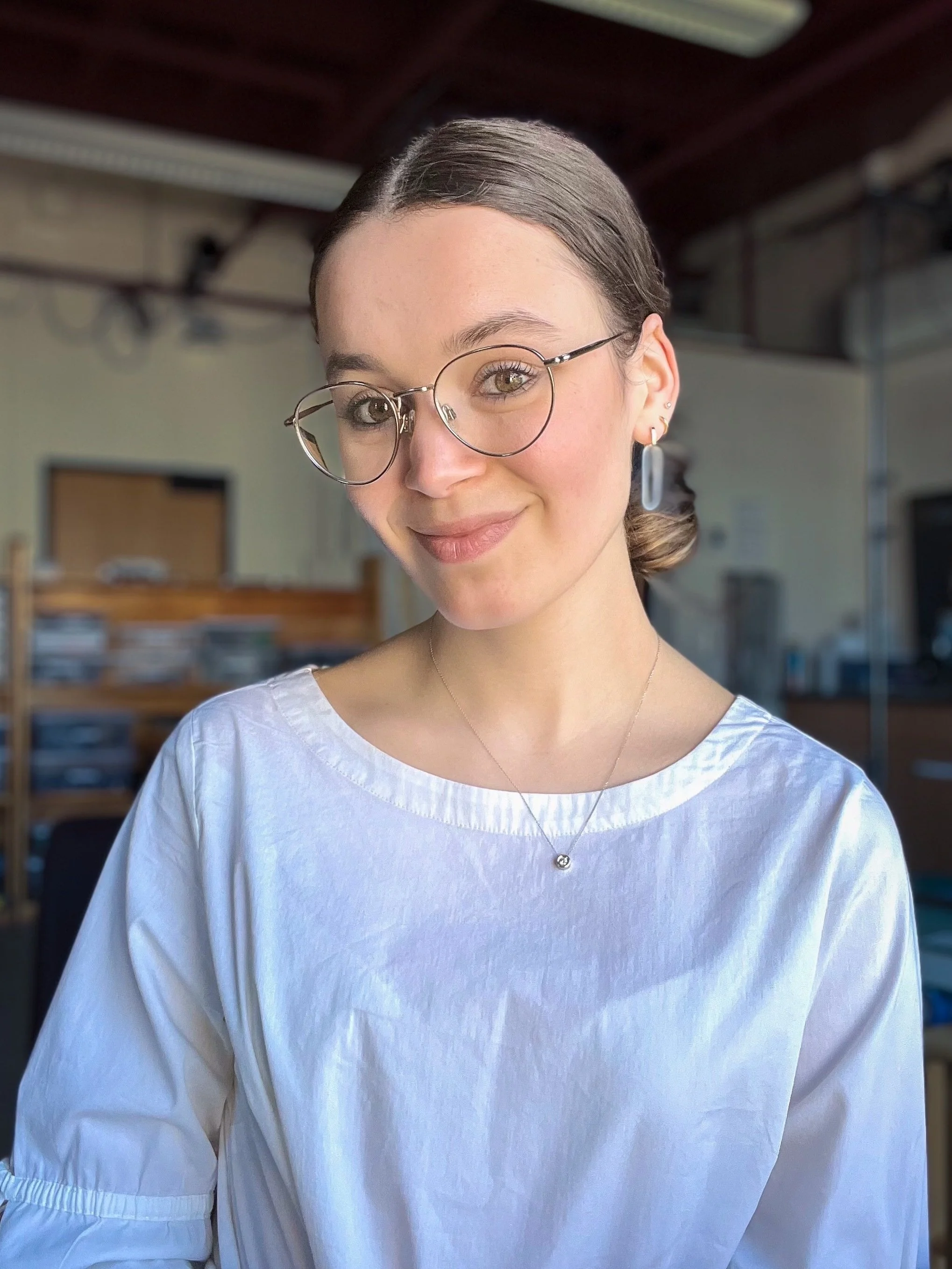
SABRA SISLER, BS
PHD STUDENT, BIOENGINEERING
Sabra Sisler is pursuing a PhD in Stanford’s Bioengineering PhD Program. She received her Bachelors of Computer Science and Behavioral Neuroscience from Northeastern University in 2023. Her research interests center on understanding pain using multimodal audio, video, and intracranial neural data. Outside of the lab, Sabra can be found somewhere in the mountains or the ocean. -
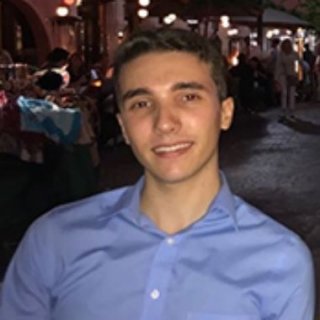
CHRIS MINASI, BS
PHD STUDENT, NEUROSCIENCE
Chris Minasi is currently pursuing a PhD in Stanford’s neuroscience program. He received his bachelor’s degree in neuroscience from Florida Atlantic University in 2017. He subsequently spent two years at Harvard working in Pascal Kaeser’s lab, using viral strategies to genetically alter cultured hippocampal neurons to determine the mechanisms of ELKS in presynaptic active zone assembly. During this time, he also developed software designed to automatically analyze confocal & super-resolution microscope images of pre/postsynaptic proteins. His current research interests involve the development of non-invasive neuromodulation techniques, specifically in regard to how current methods could be improved using modern statistics and machine learning techniques. In his free time, he enjoys exploring nearby restaurants, beaches, parks, and hiking trails.
RESEARCH COORDINATORS
-
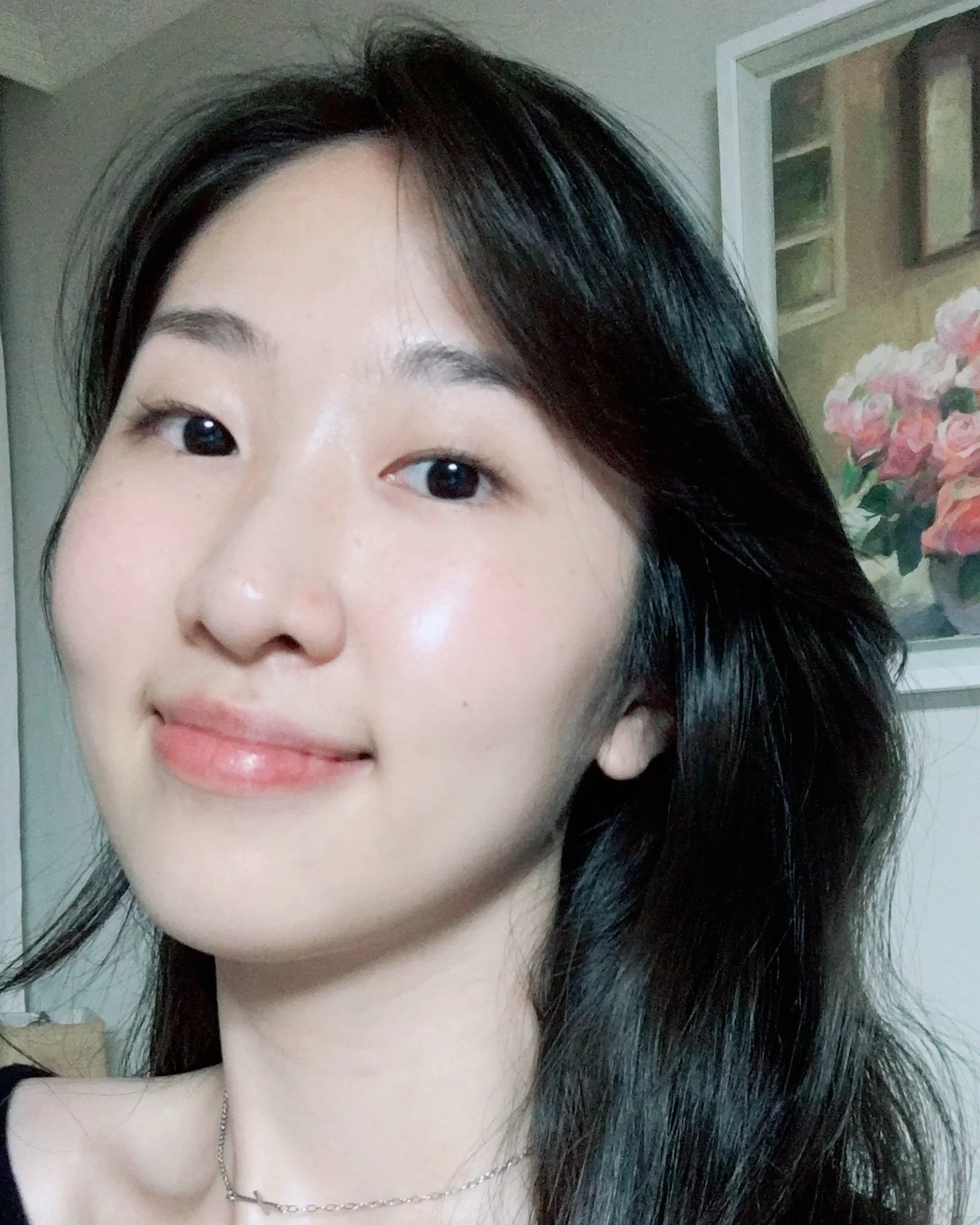
HANSONG LEE, MS
ASSISTANT CLINICAL RESEARCH COORDINATOR
M.S. IN MATERIALS AND BIOMATERIALS SCIENCE AND ENGINEERING
Hansong Lee graduated from the University of California, Merced in 2023 with a M.S. in Materials and Biomaterials Science and Engineering. Her research interests lie broadly at the intersection of cognitive neuroscience, technology, emotion, and mental health. Previously, she worked on an EEG project investigating music perception using binaural beats. She is particularly interested in how internal and external factors--such as music--can modulate brain activity and influence neuropsychiatric conditions including depression, anxiety, and stress-related disorders.
In her free time, Hansong enjoys drawing, hiking, playing musical instruments, and anything that sparks her creativity, including picnics with her dog, ChaCha. -
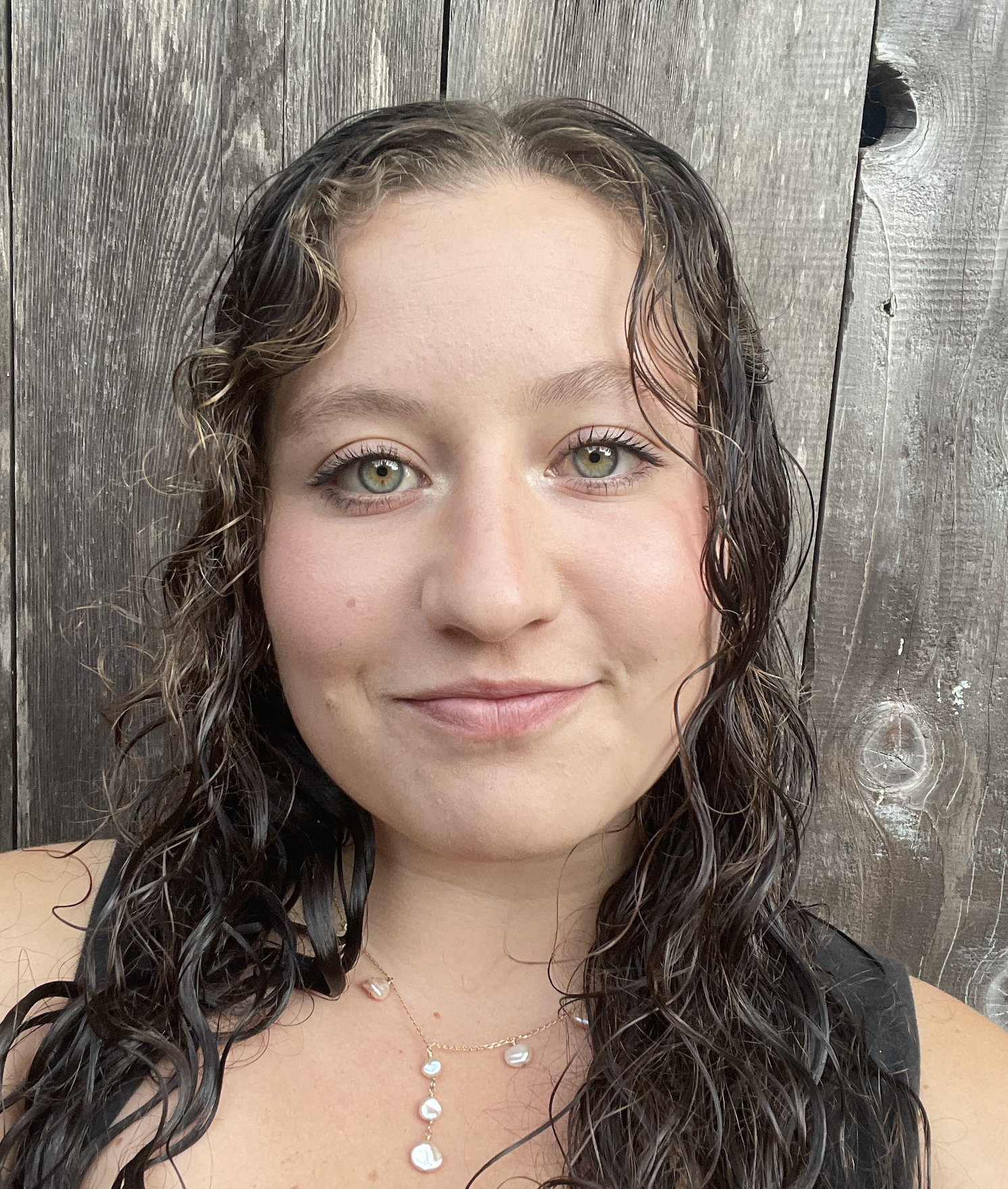
EMMA KLEBANER, BS
ASSISTANT CLINICAL RESEARCH COORDINATOR
B.S. IN PSYCHOLOGY AND MINOR IN BIOTECHNOLOGY
Throughout her undergraduate career, Emma developed a strong interest in neuroscience, particularly in understanding neurodegenerative disorders, and is deeply motivated by the potential for medical innovation at the intersection of psychology and biotechnology. Emma has contributed to multiple research projects, including work in a haptic perception and HD-TMS lab, where she explored the relationship between tactile feedback and brain stimulation. She also conducted EEG-based research investigating how auditory distraction impacts sustained attention, gaining hands-on experience in both experimental design and data analysis. Outside of her academic and professional interests, Emma enjoys cooking, traveling, surfing, playing pickleball, and spending time with her friends, family, and her dog. -
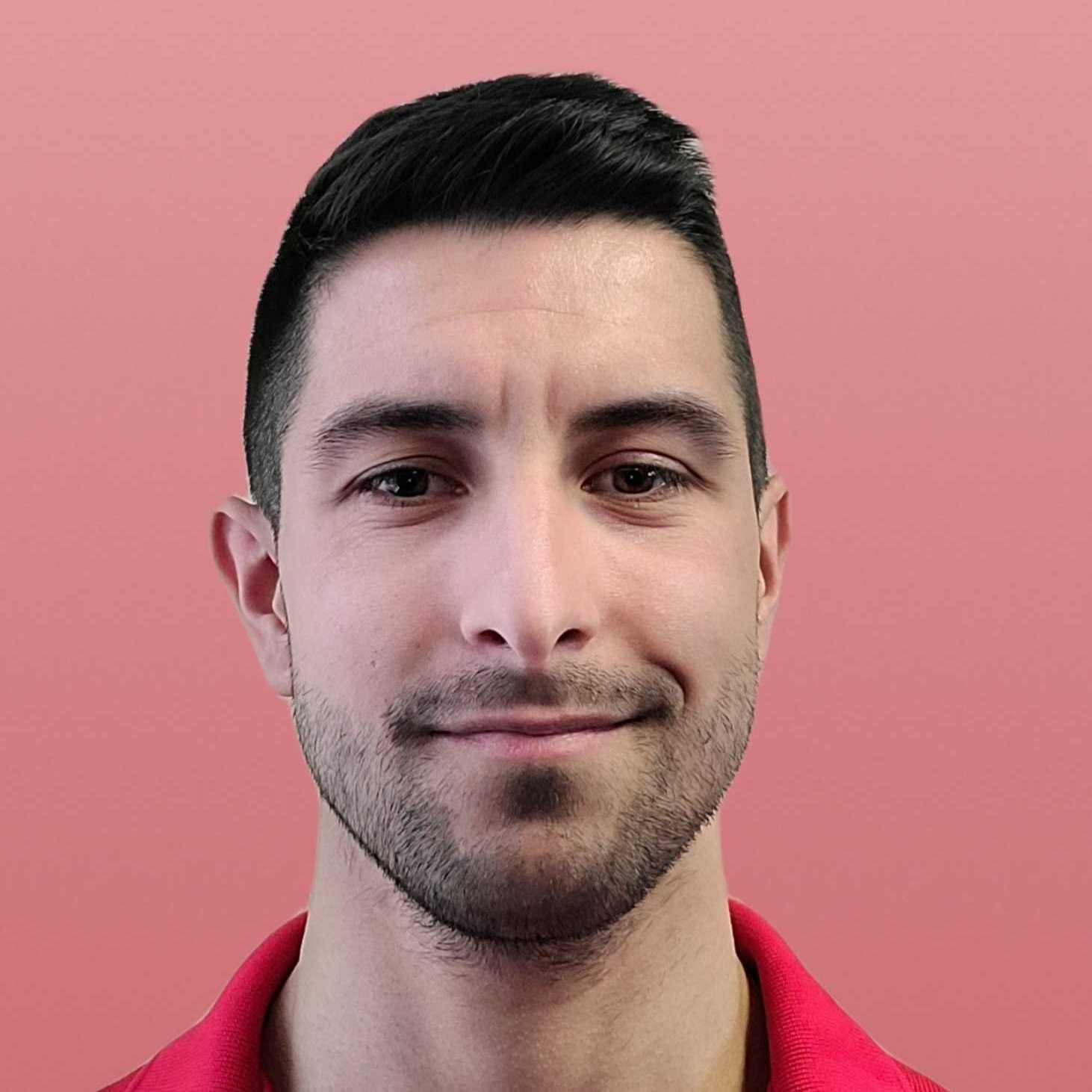
TRISTAN BRENNAN
RESEARCH DATA COORDINATOR
Tristan Brennan is a recently separated Marine Corps veteran with experience spanning across academia, government, and the private sector. His work has included administering rTMS to veteran patients at the VA and developing scripts to automate patient screening and recruitment processes. Tristan has focused on a range of patient populations, including those affected by PTSD, TBI, Gulf War Illness, Operator Syndrome, and Major Depressive Disorder. His research interests center on understanding and influencing brain networks in mental health treatments, exploring BCI neuroengineering, and integrating manifold-learning and computational topology into neuroscience. Through this interdisciplinary approach, Tristan aims to advance precision neurotherapeutics to deliver more effective and personalized patient care. Outside the lab, Tristan enjoys practicing Lethwei and boxing. -
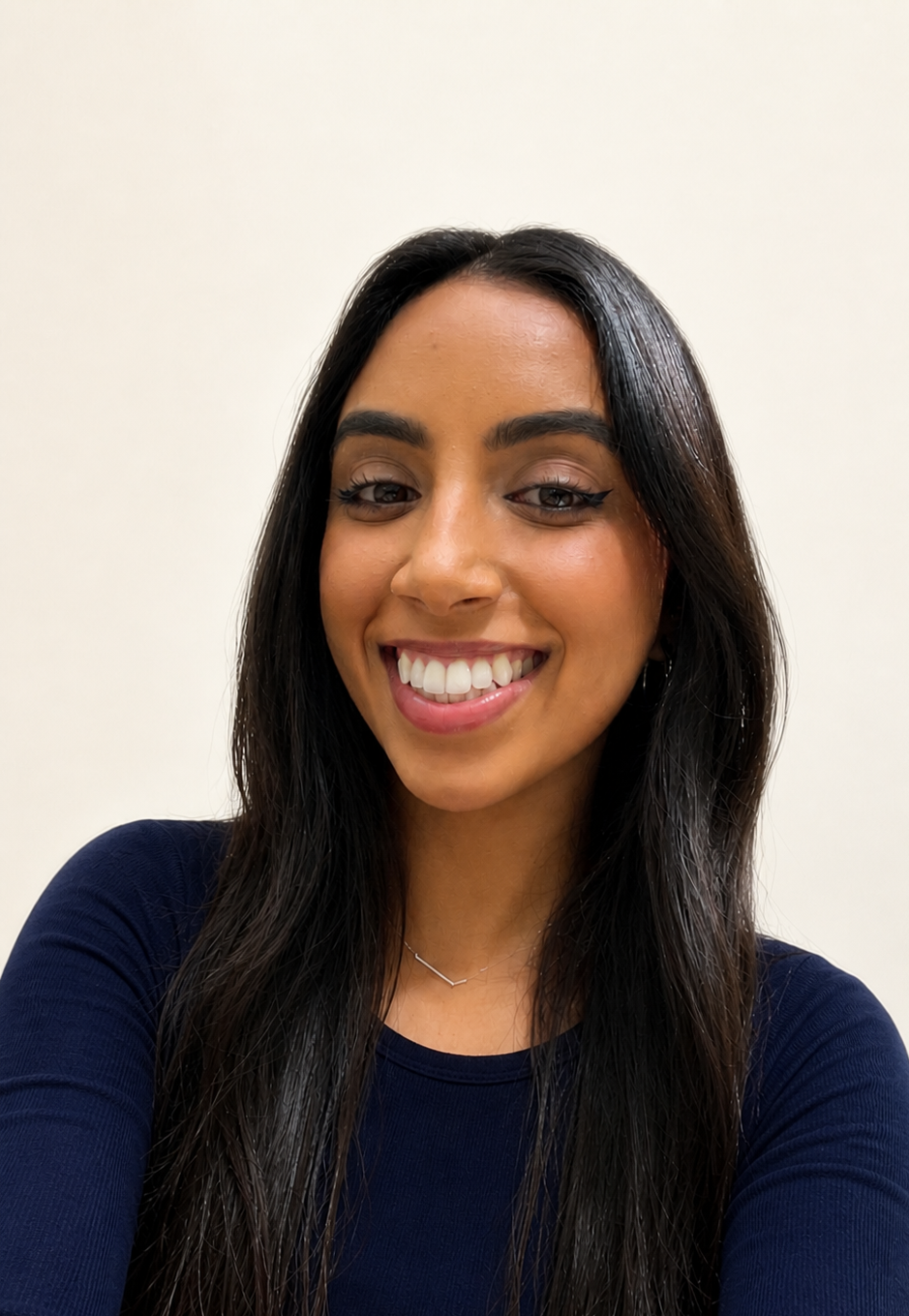
ESHIKA MEHTA, BS
ASSISTANT CLINICAL RESEARCH COORDINATOR
B.S. IN COGNITIVE SCIENCE SPEC/ NEUROSCIENCE AND MINOR IN PSYCHOLOGY
Eshika graduated from UC San Diego in 2023 with a BS in Cognitive Science/ Neuroscience and a minor in Psychology. Her research interests include examining the neural and physiological mechanisms underlying stress-related psychopathology to inform novel interventions, particularly neuromodulation. She has extensive clinical research experience from her time at the VA San Diego Healthcare System, where she worked across multiple studies examining neural markers and treatments for mood, anxiety, and trauma-related disorders. Eshika also led a project investigating fMRI-guided rTMS for comorbid depression and PTSD. She hopes to continue contributing to individualized treatment and improve patient outcomes through precision neurotherapeutics. In her free time, Eshika enjoys cooking, yoga, sketching, exploring SF, and spending time with friends and family. -
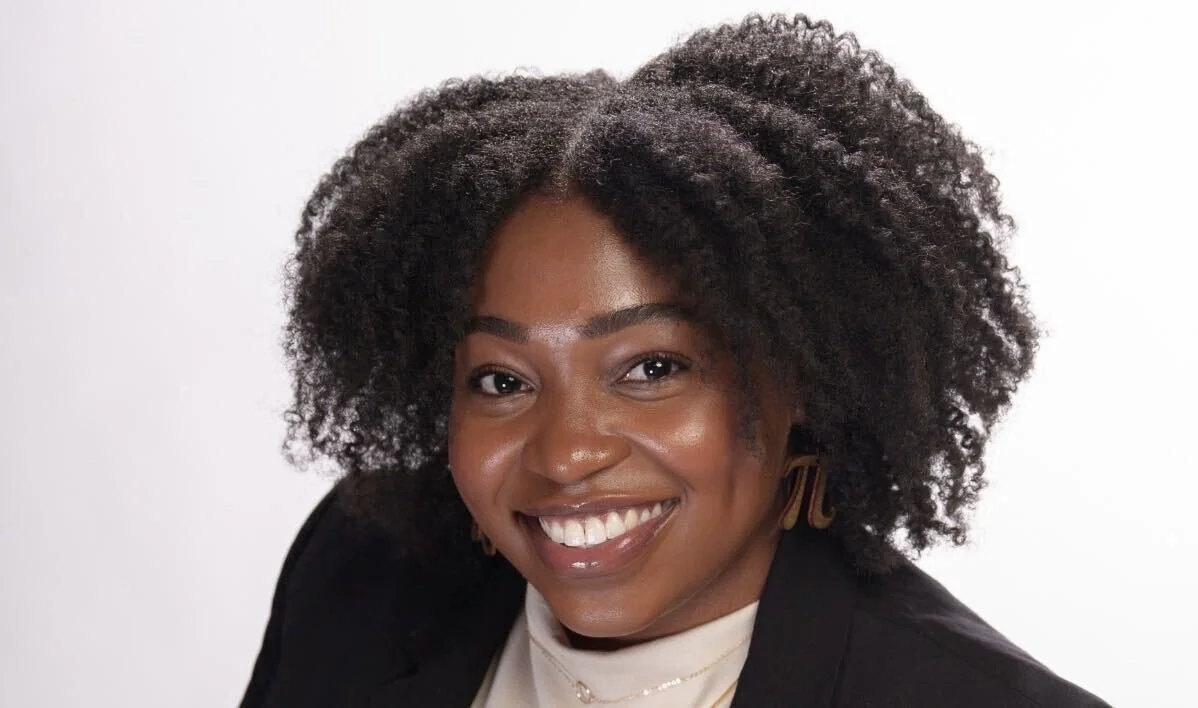
Arline Pierre-Louis
ASSISTANT CLINICAL RESEARCH COORDINATOR
M.S IN BIOLOGY
Arline Pierre-Louis received her M.S. in Biology from Fisk University and her B.A. in Neuroscience & Behavior and Government from Wesleyan University. Her research interests center on the mechanistic underpinnings of plasticity and resilience in the brain and peripheral organ systems, with the goal of translating those insights into regenerative therapies and personalized interventions for developmental and neuropsychiatric disorders. Previously, in Dr. Jennifer Sucre’s Lab at Vanderbilt University, her master’s thesis developed a reversible neonatal lung injury model to study alveolar repair. She also contributed to AlveolEye, a machine-learning plugin for lung morphometry analysis. Earlier at Columbia University, she worked in Dr. Marisa Spann’s Lab on fMRI studies examining how maternal immune and neurological factors contribute to childhood psychiatric risk. Outside the lab, Arline enjoys storytelling, playwriting, going to the beach, trying new cafes/restaurants, and reality TV.
RESEARCHERS
-
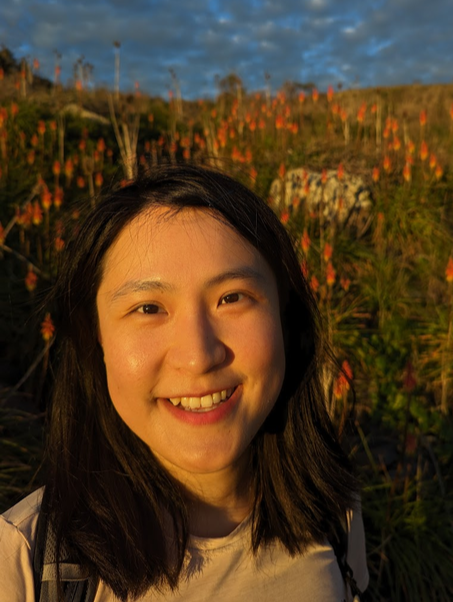
Fangyi Zhu
RESEARCHER
B.S IN COMPUTER SCIENCE
Fangyi is a Researcher in the Keller Lab, where she applies mechanistic interpretability methods to study how depression-related symptoms are represented in large language models. Her current work involves probing residual streams from LLMs like Gemma-3-27b using techniques such as high-dimensional clustering and semantic projection to uncover interpretable "symptom vectors" for depression. Before joining the lab, Fangyi worked as a software engineer at Google, Amazon, and a startup. She received her B.Sc. in Computer Science from the University of Minnesota Twin Cities. Outside of research, Fangyi enjoys the great outdoor and volunteering for local newsrooms.
UNDERGRADUATE STUDENTS
-
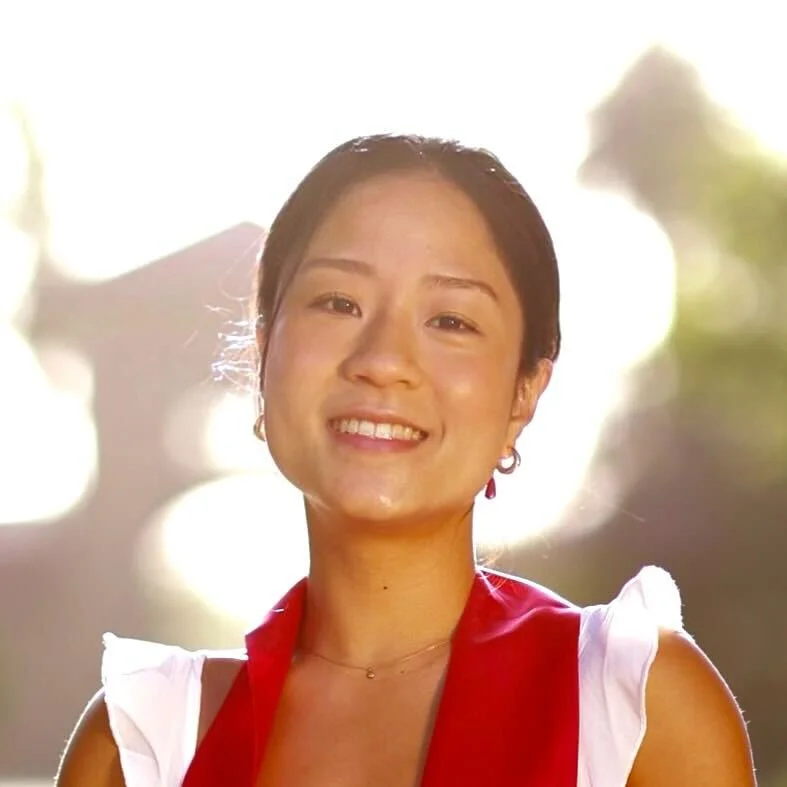
JANELLE CHEUNG
COMPUTER SCIENCE & COMPUTATIONAL BIOLOGY
Janelle is a coterminal student at Stanford University pursuing a B.S. in Computer Science on the AI track and a M.S. on the Computational Biology track. She has always had a strong interest in psychiatric disorders and seeks to apply her studies in CS and AI to investigating more precise matching of treatments to individual patients. For fun, she loves bouldering, dancing bhangra, reading, and outdoor adventuring.
LAB ALUMNI
-
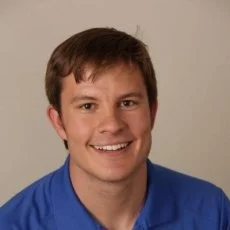
Austin Talbot, PhD
MACHINE LEARNING ENGINEER
PILLAR BIOSCIENCES -
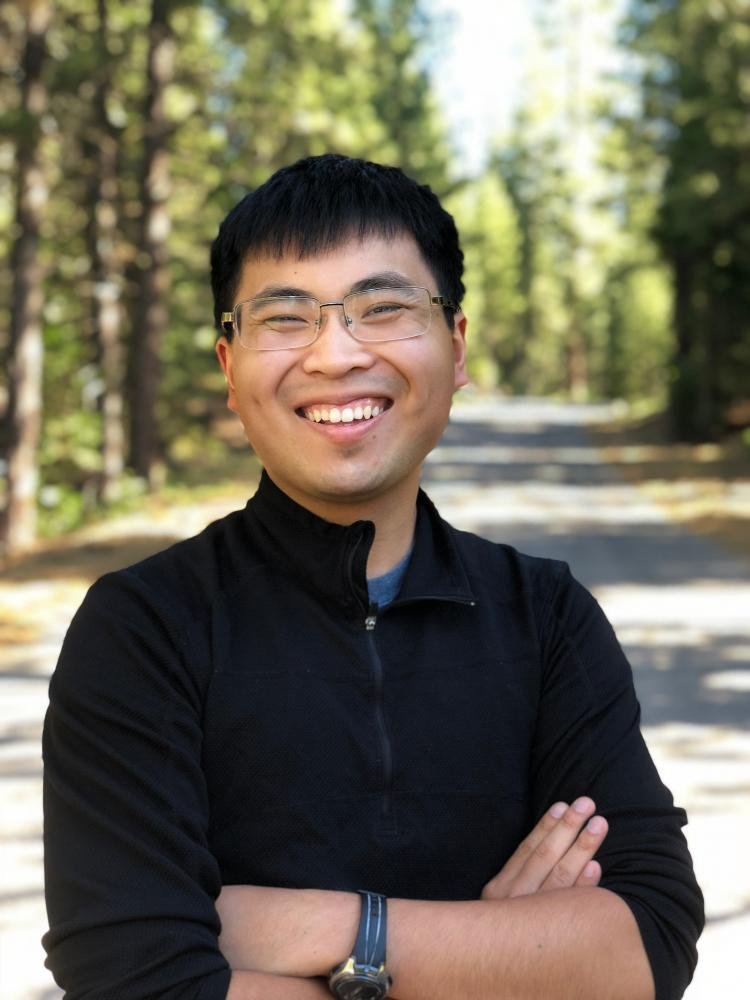
JEFFREY WANG, PHD
MD/PHD STUDENT
NEUROSCIENCE -
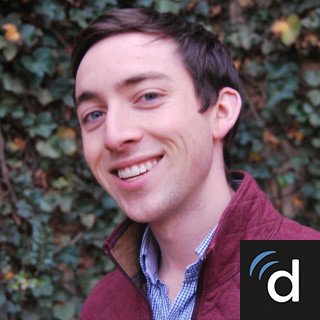
LEWIS KERWIN, MD
PSYCHIATRY RESIDENT
WASHINGTON UNIVERSITY -
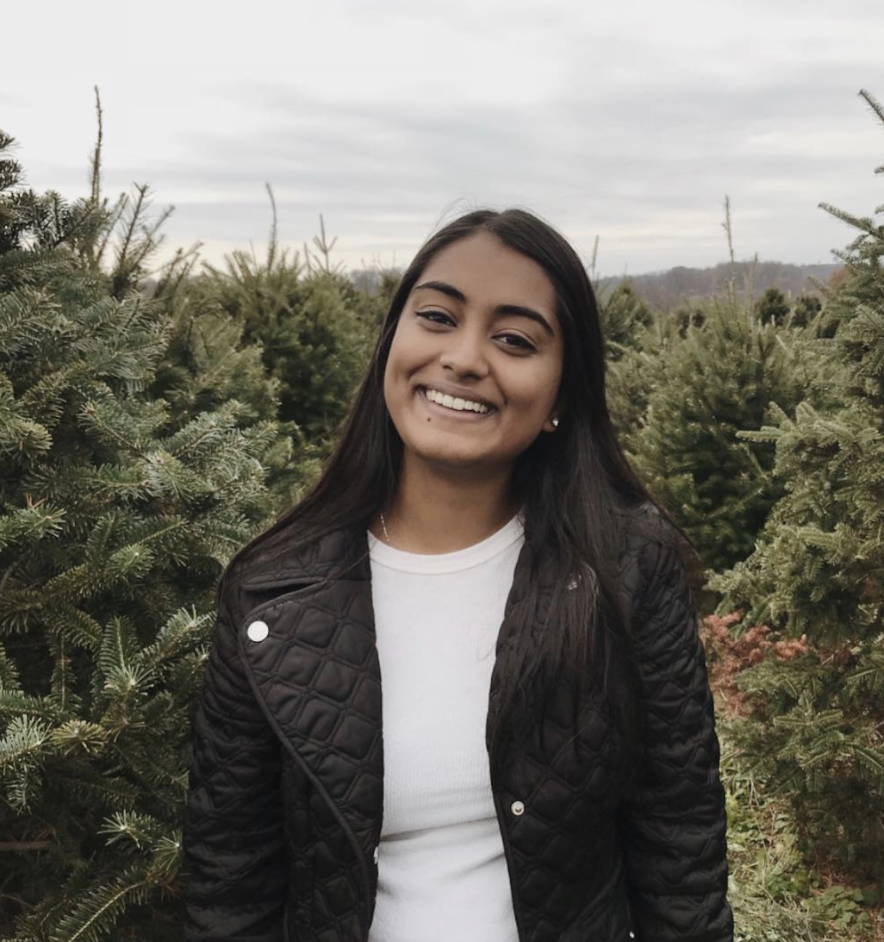
NIKITA BASTIN
BIOLOGY / ENGLISH
UNIVERSITY OF PENNSYLVANIA -
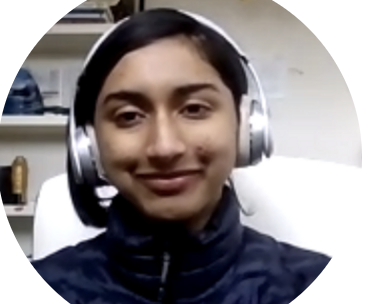
GAYATHRI GANESAN
ENGINEERING PHYSICS
-
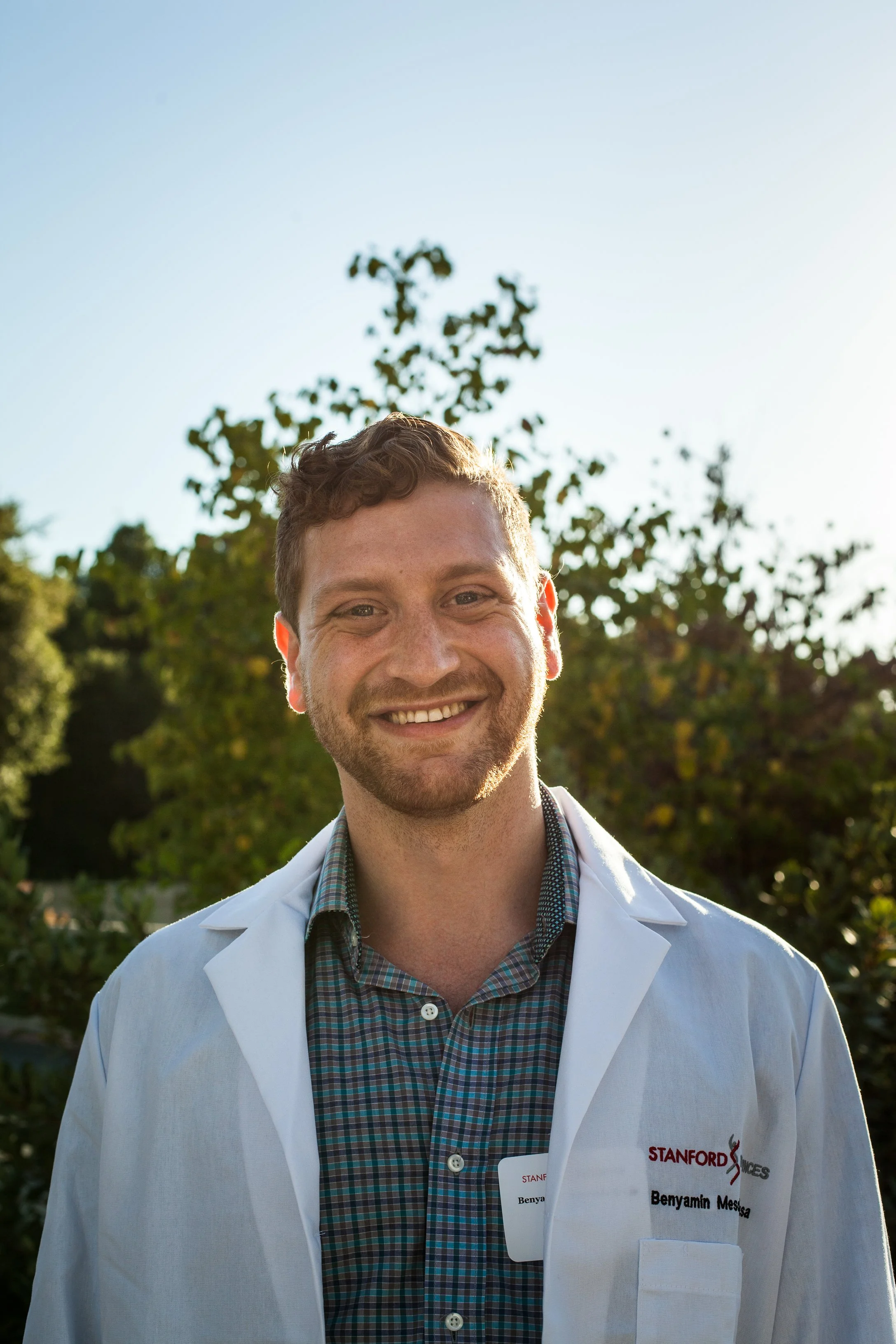
BENYAMIN MESCHEDE-KRASA
PHD STUDENT
STANFORD UNIVERSITY -
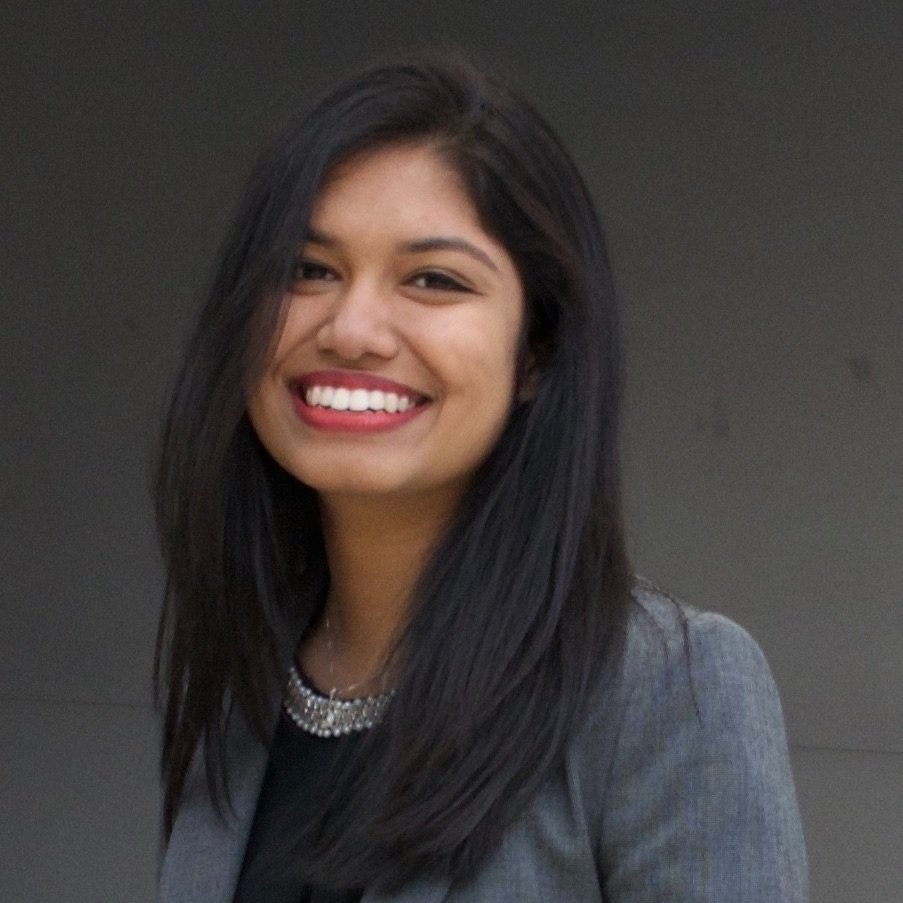
MANJIMA SARKAR, MS
MD/PHD STUDENT
UNIVERSITY OF NORTH CAROLNA -
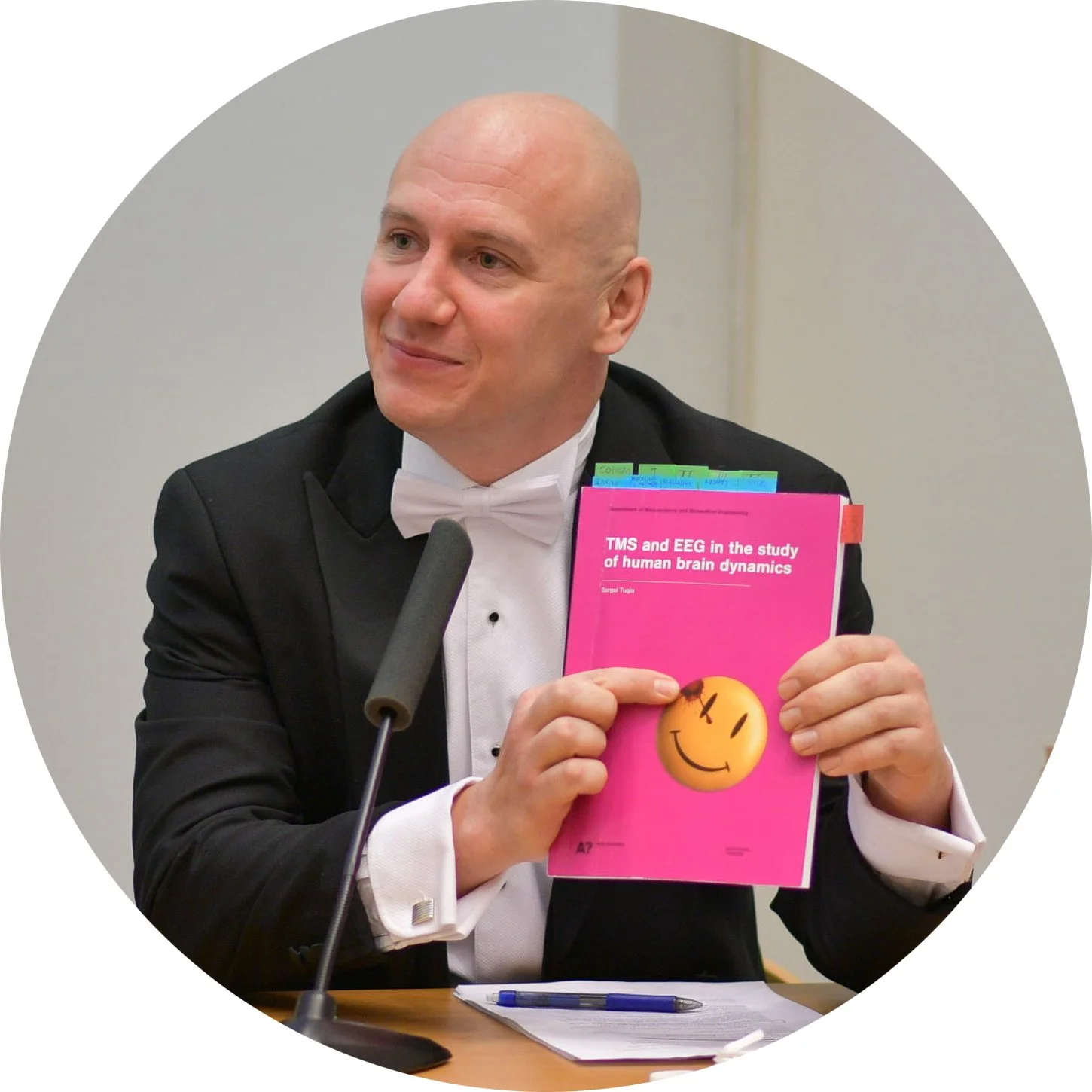
SERGEI TUGIN, PHD
POSTDOCTORAL FELLOW
AUSTRALIAN NATIONAL UNIVERSITY -
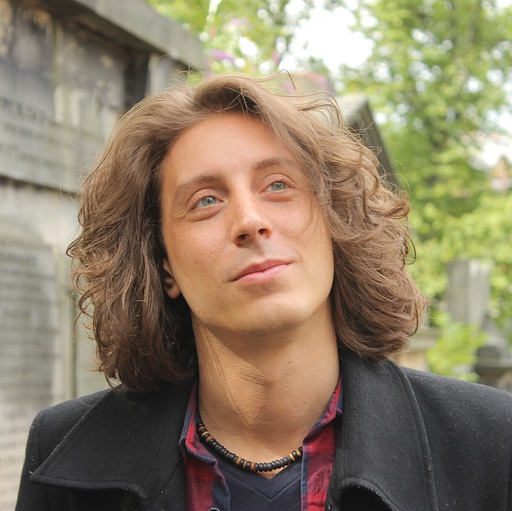
FRANCESCO DONATI, MD
PSYCHIATRY RESIDENT
UNIVERSITY OF MILAN -
CLAUDIA TISCHLER, BS
MD/PHD STUDENT
BAYLOR UNIVERSITY -
SAMUEL ANH, MD
NEUROLOGY RESIDENT
UCLA -
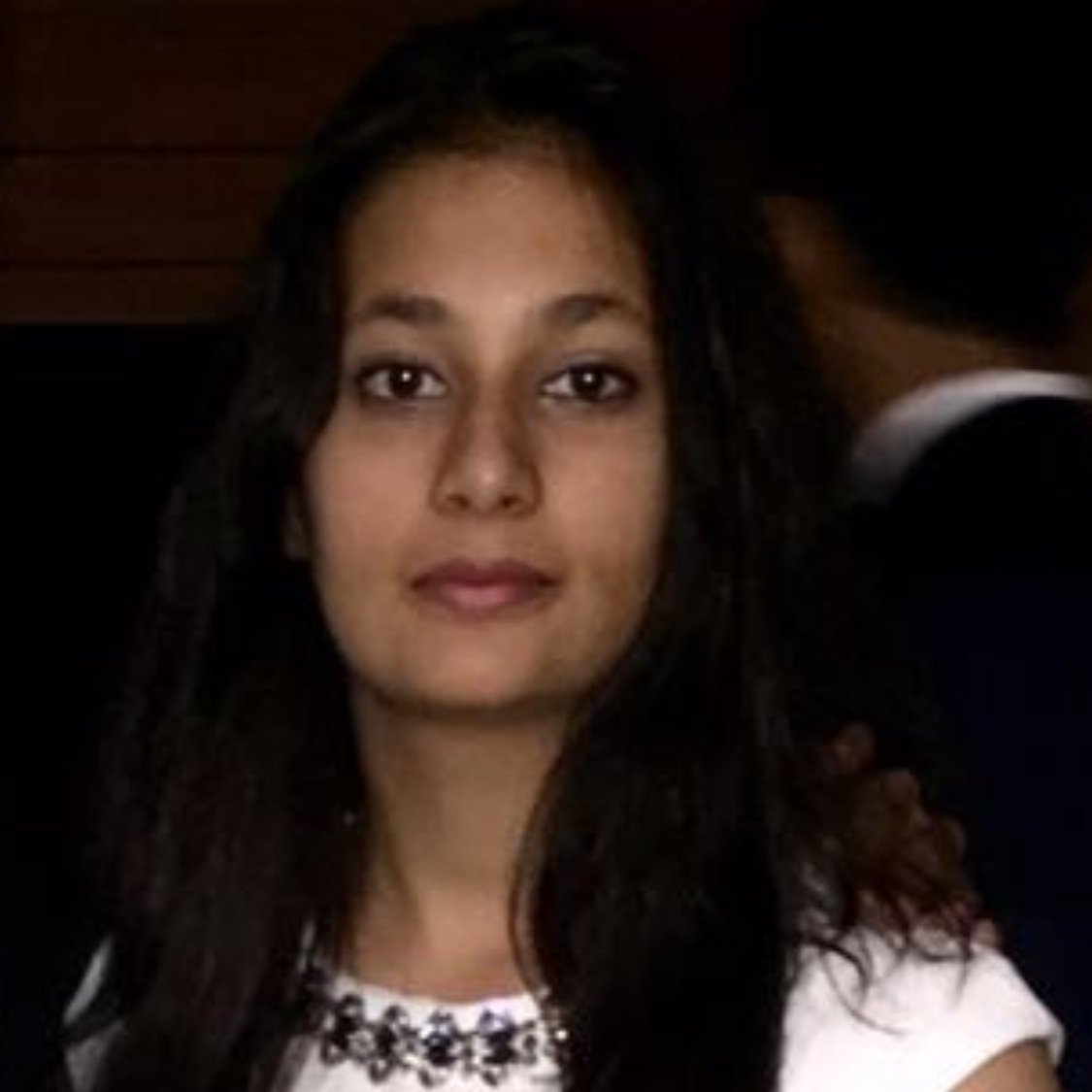
SAACHI MUNOT
ENGINEERING PHYSICS
-
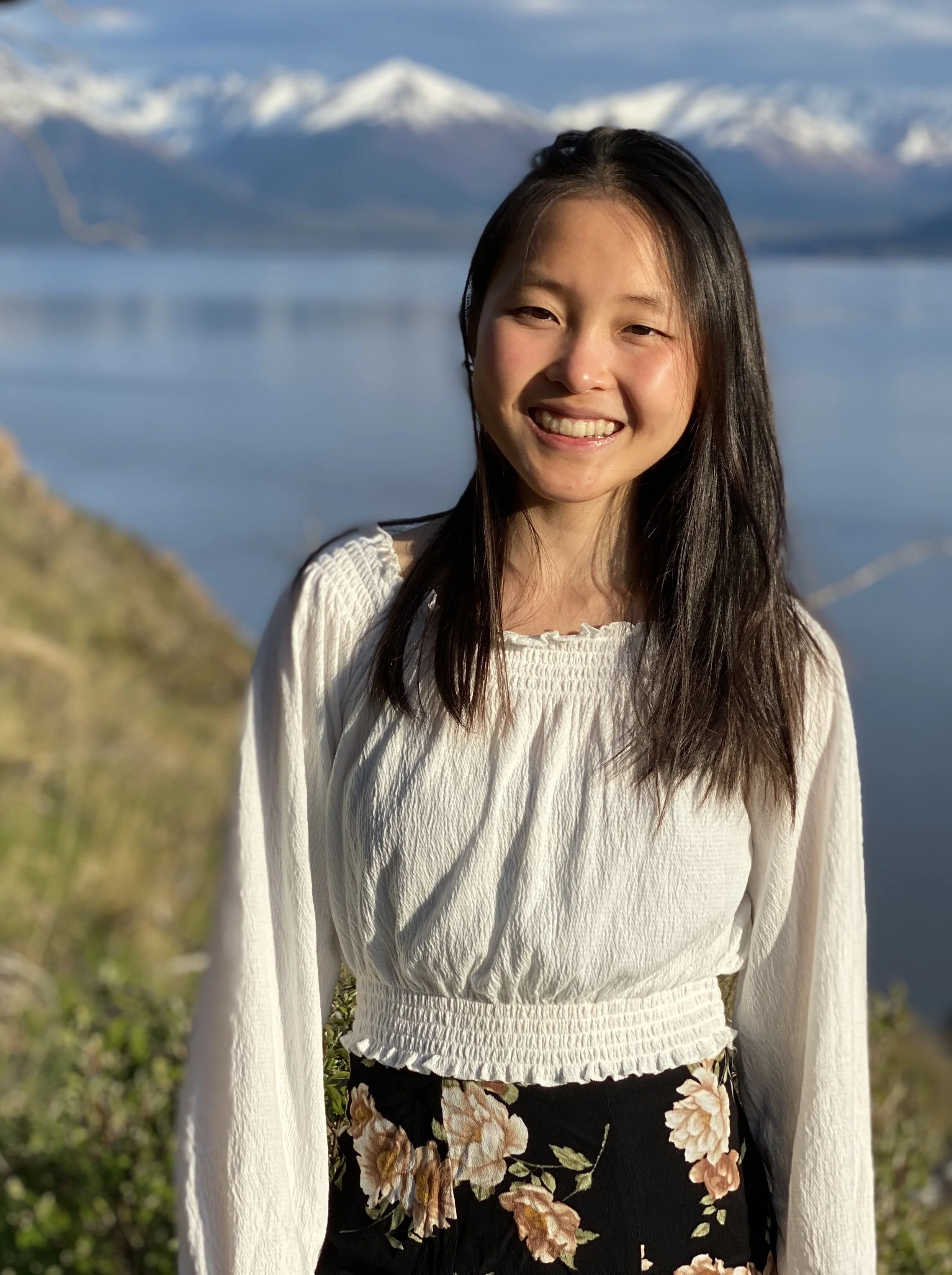
JESSICA YANG
HUMAN BIO / PSYCHOLOGY
-
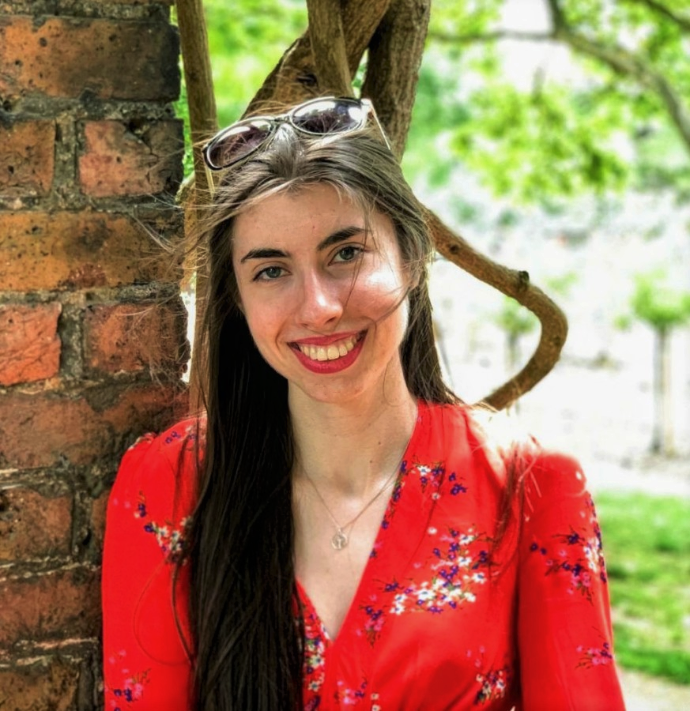
CIARA GIBBS
MECHE / BME
IMPERIAL COLLEGE LONDON -
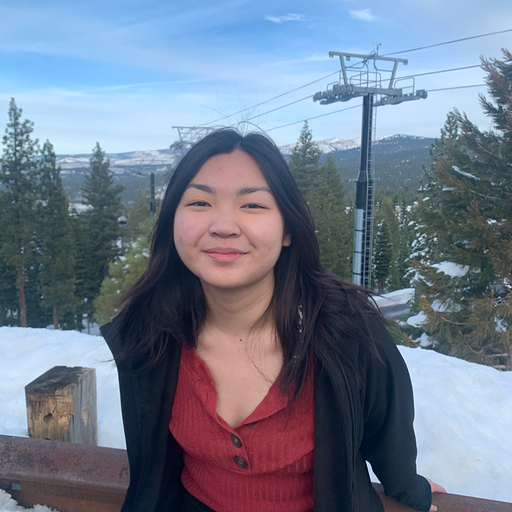
JENNIFER XU
BIOMEDICAL COMPUTATION
-
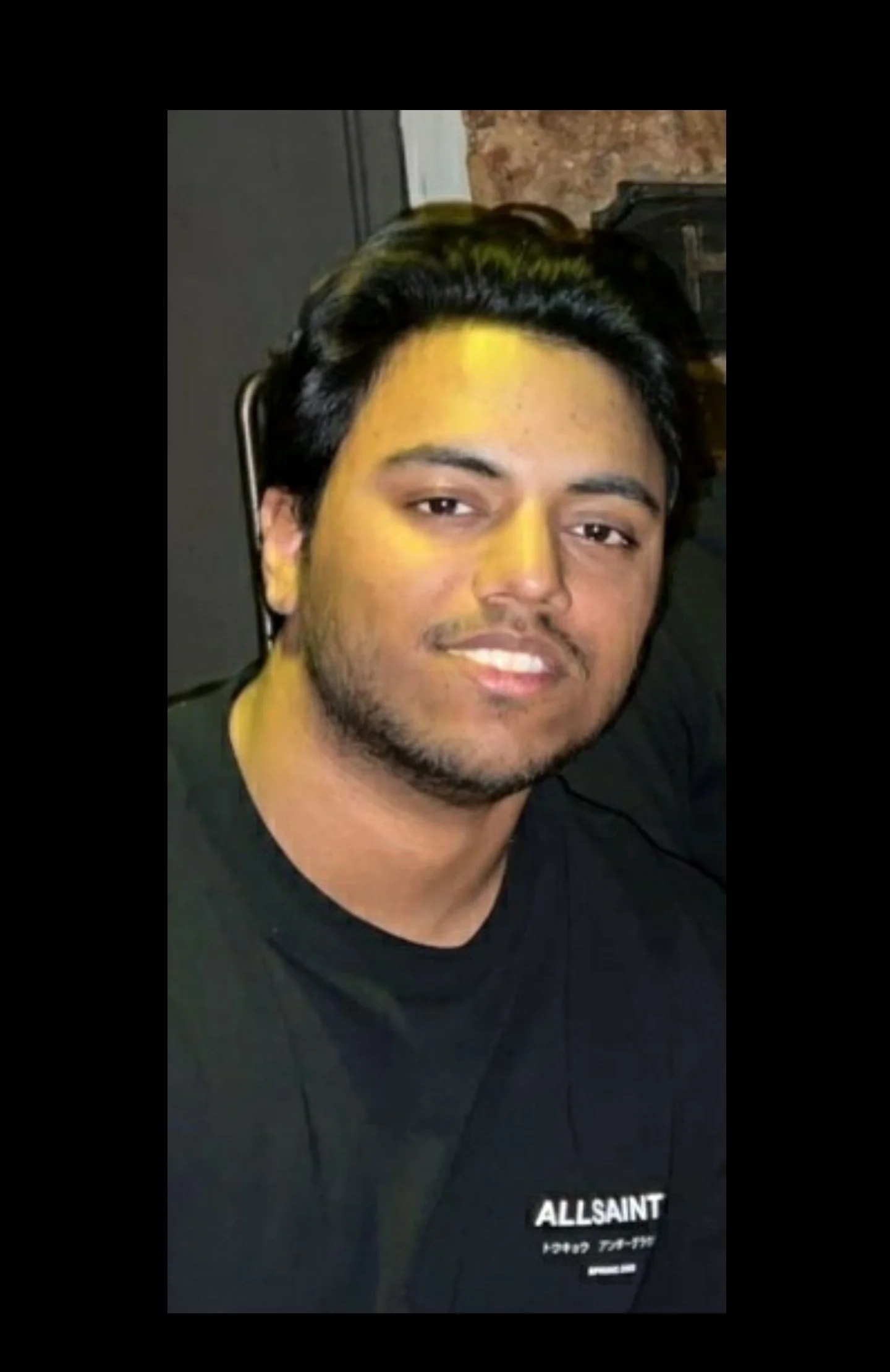
DILLON VIJAYA
VISITING STUDENT
NEUROSCIENCE
UNIVERSITY OF EXETER -
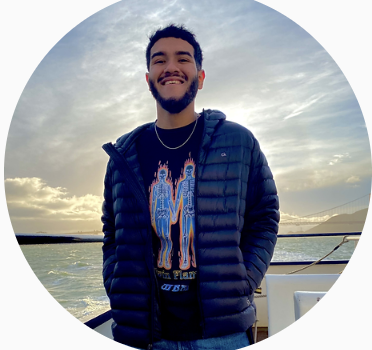
GIOVANNI TALLEDOS
VISITING STUDENT
RADIOLOGIC TECHNOLOGY
FOOTHILL COLLEGE -
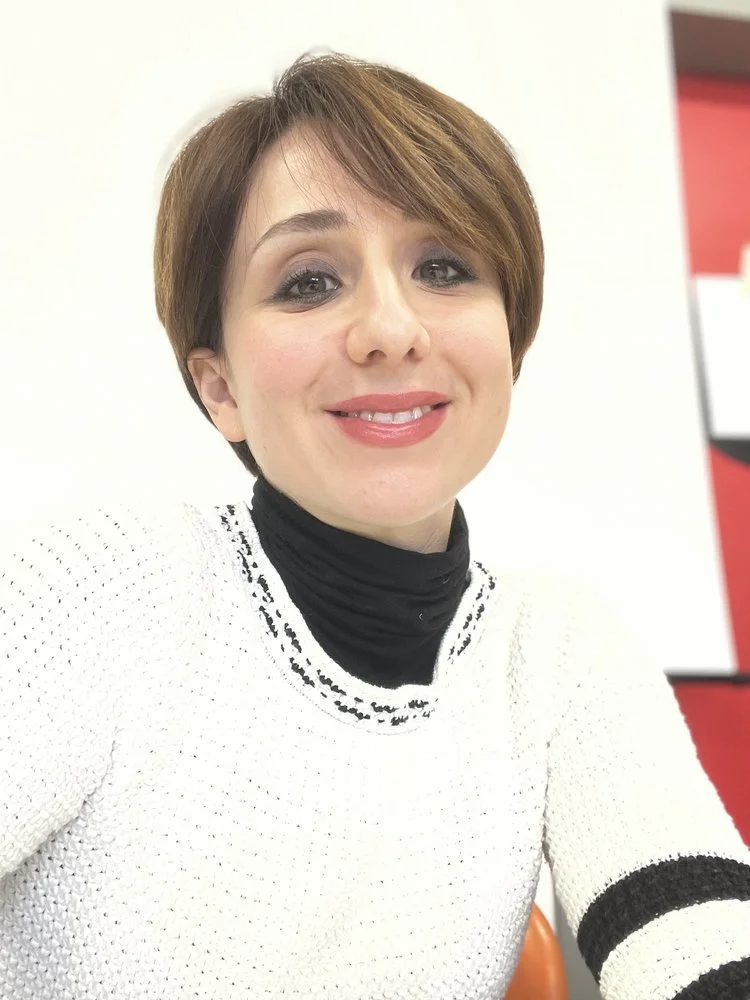
SARA PARMIGIANI, PHD
POSTDOCTORAL FELLOW
UNIVERSITY OF OREGON -
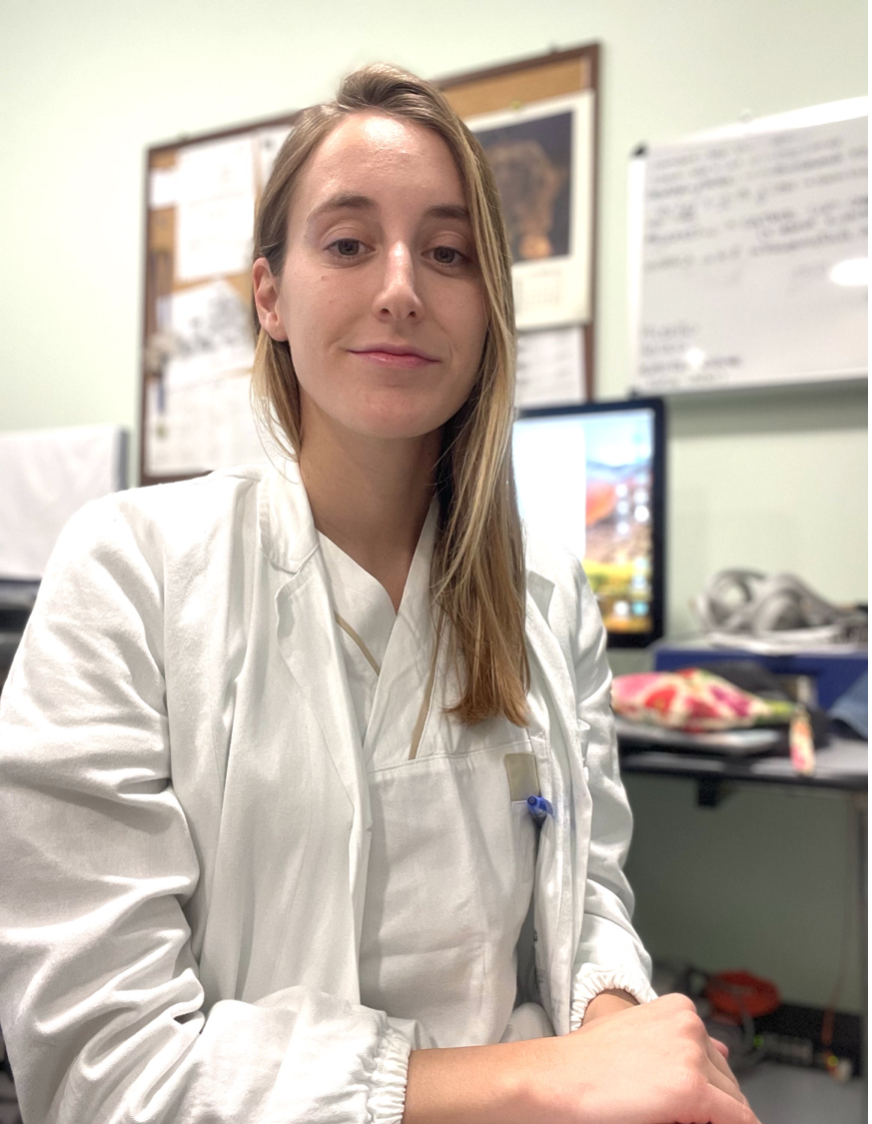
FLAVIA ZAULI, PHD
POSTDOCTORAL FELLOW
UNIVERSITY OF MILAN -
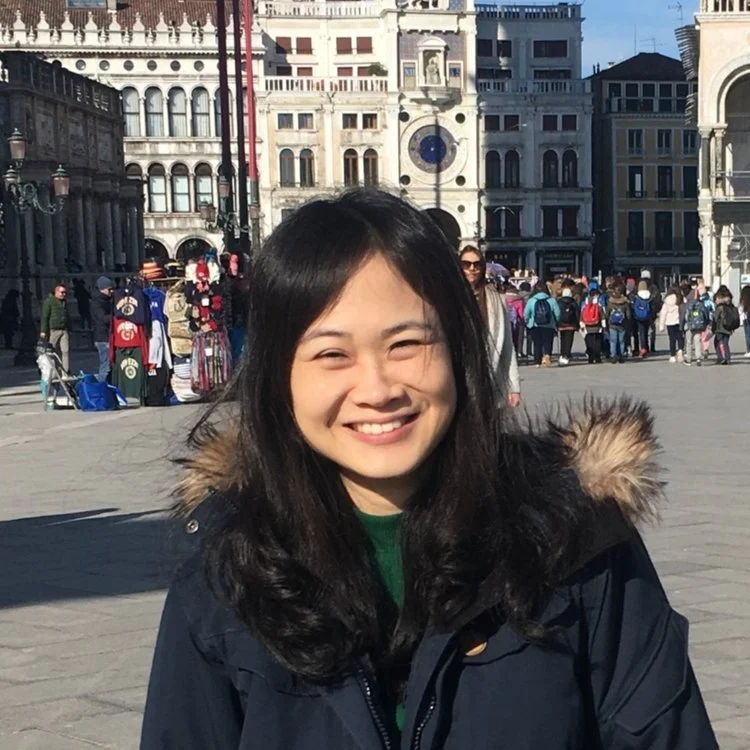
NAI-FENG CHEN, PHD
POSTDOCTORAL FELLOW
STANFORD UNIVERSITY -
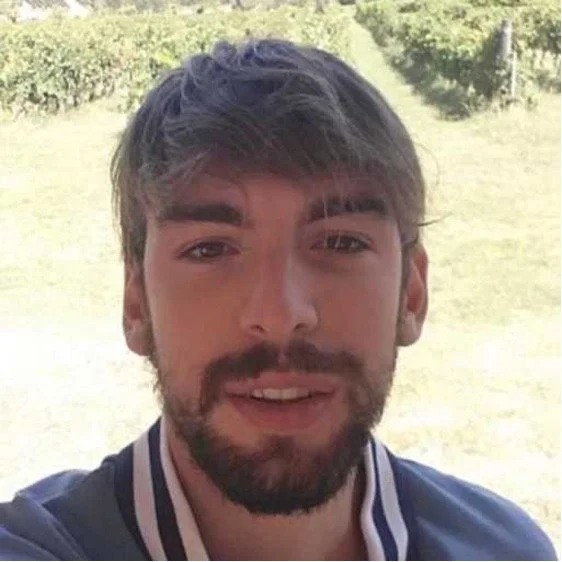
DAVIDE MOMI, PHD
POSTDOCTORAL FELLOW
STANFORD UNIVERSITY -
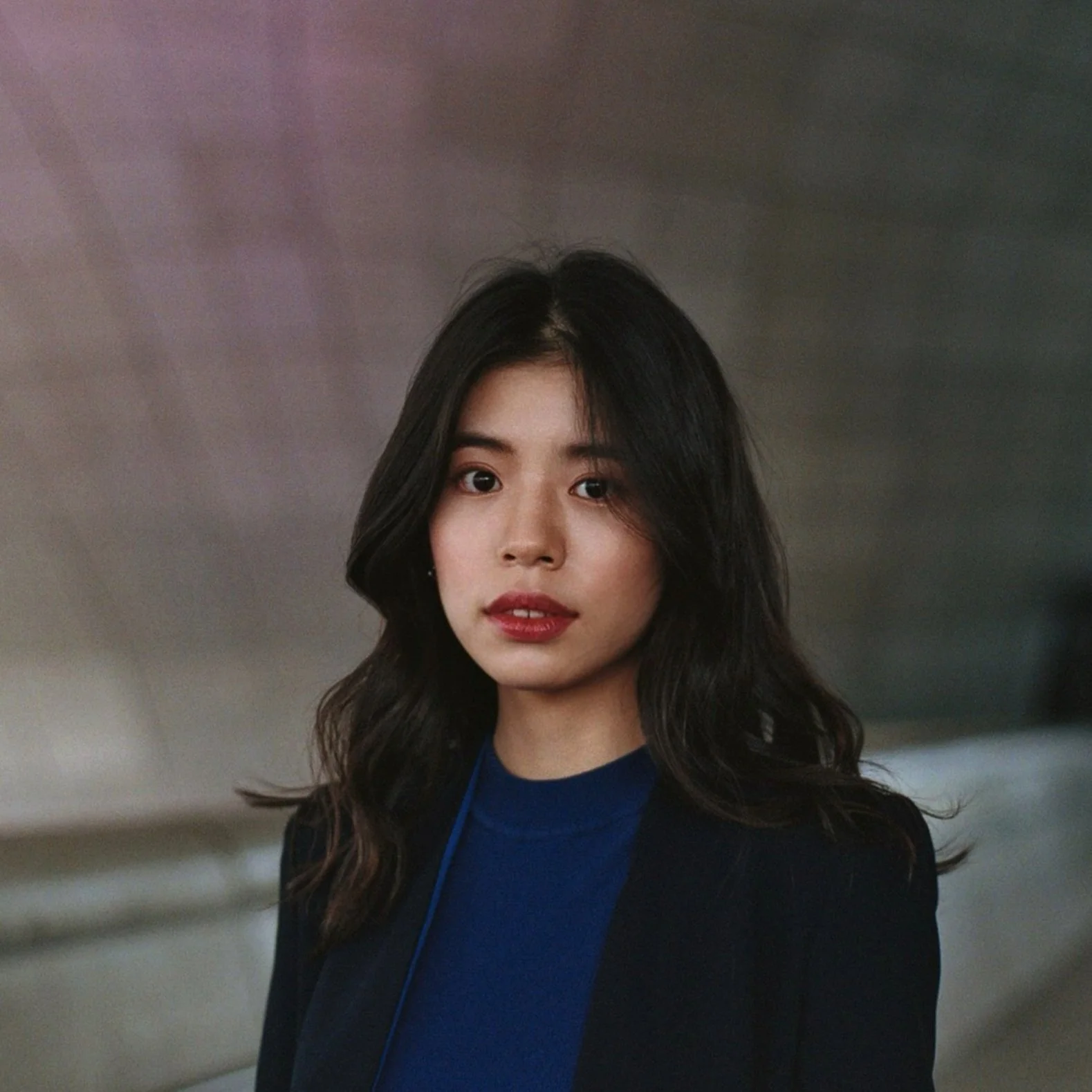
NARYEONG KIM
BIOENGINEERING
GENENTECH -
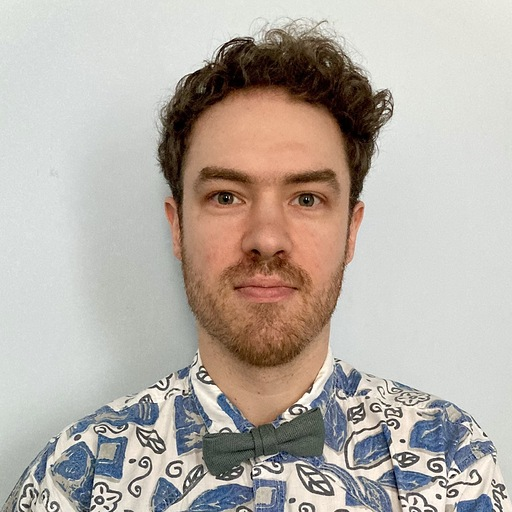
JUHA GOGULSKI, PHD
-
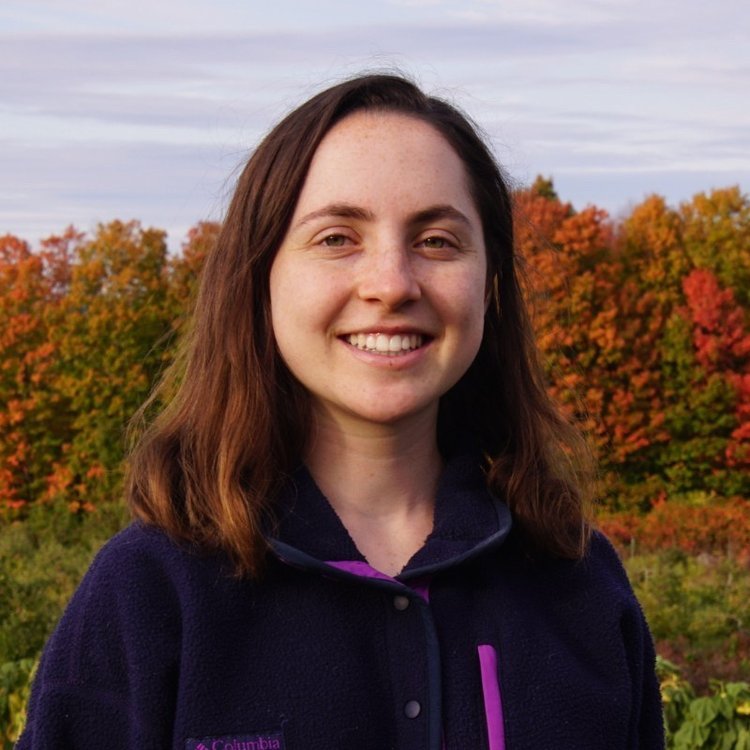
LILY FORMAN, BS
OT STUDENT
CHICAGO -
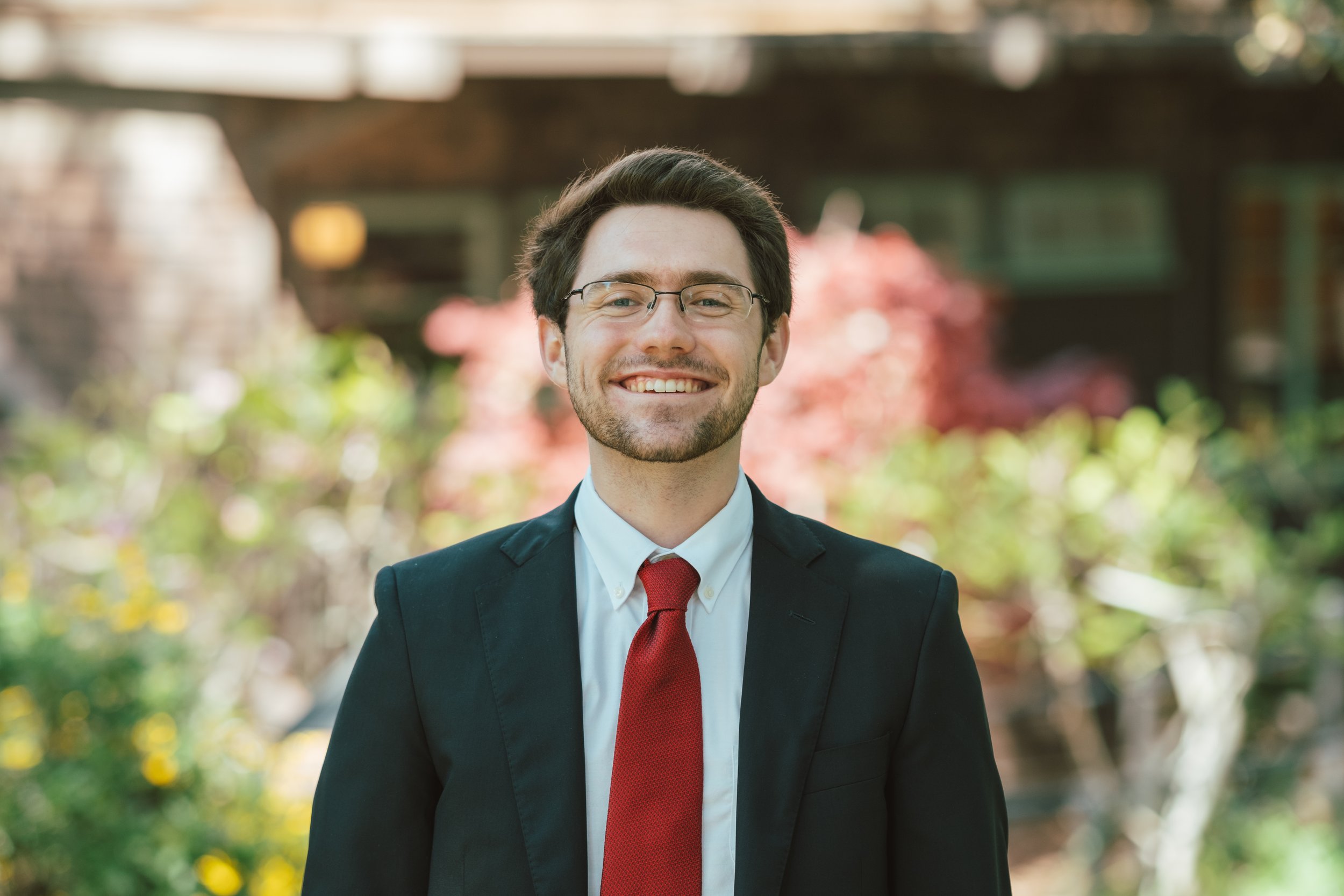
WINN HARTFORD, BS
MD STUDENT
UNIVERSITY OF SOUTHERN CALIFORNIA (USC) -
YUHAO (DANNY) HUANG, MD
-
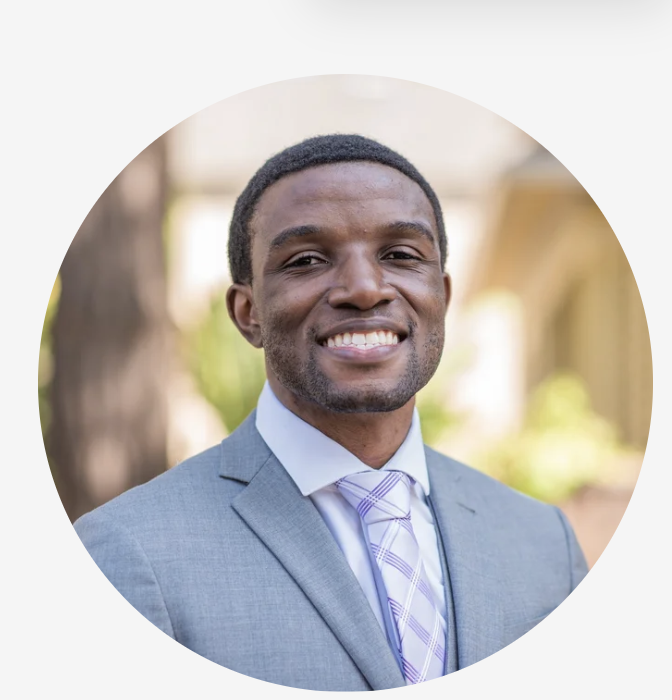
BINA KAKUSA, MD
-
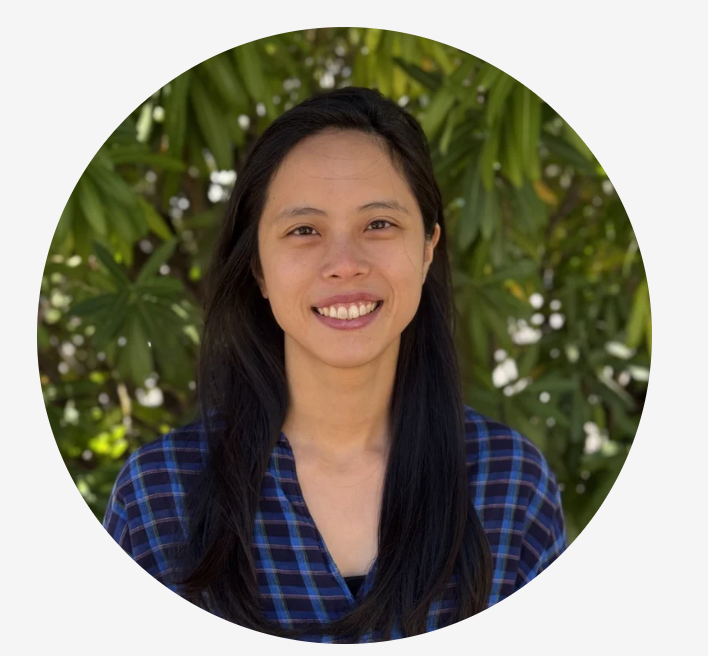
CAMILLE WANG, MD, PHD
-
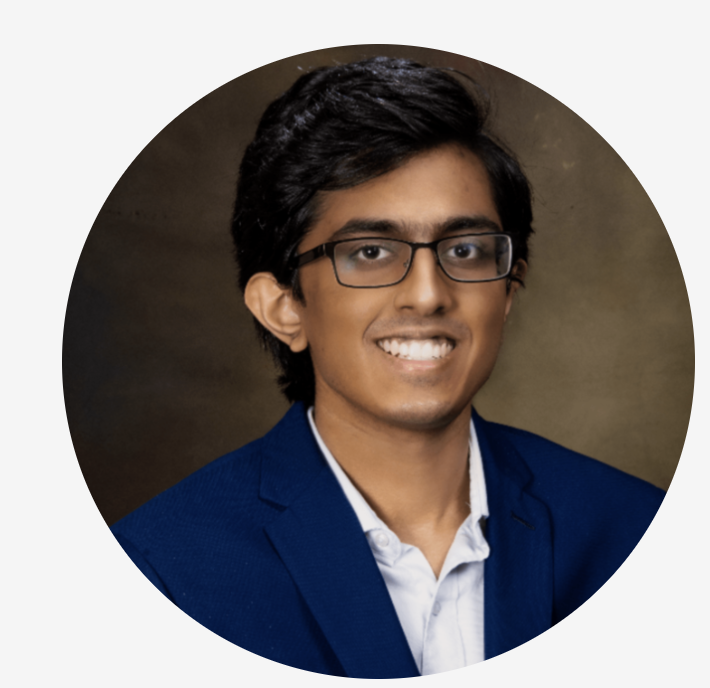
JAY GOPAL, BS
-
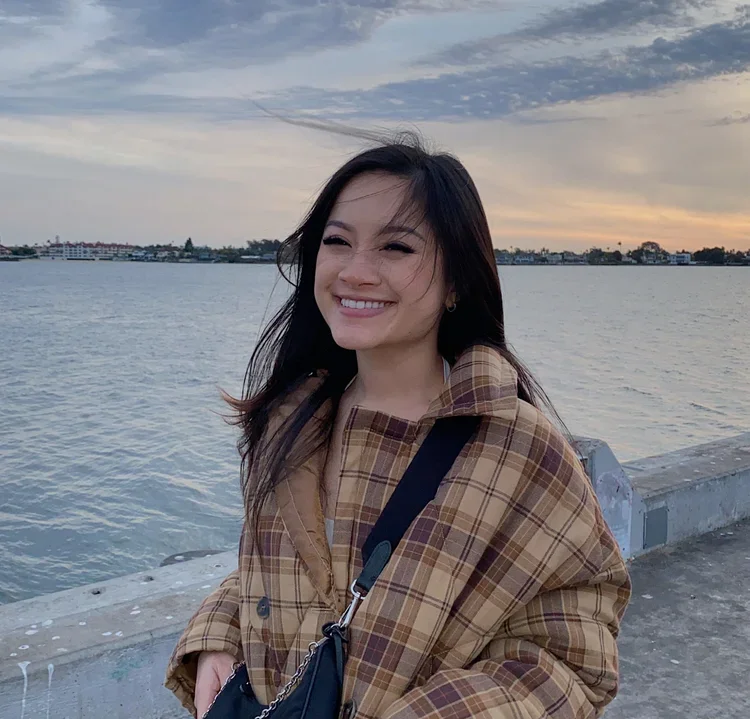
JADE TRUONG, BS
LAB MANAGER
CLINICAL RESEARCH COORDINATOR 3
B.S IN BIOPSYCHOLOGY -
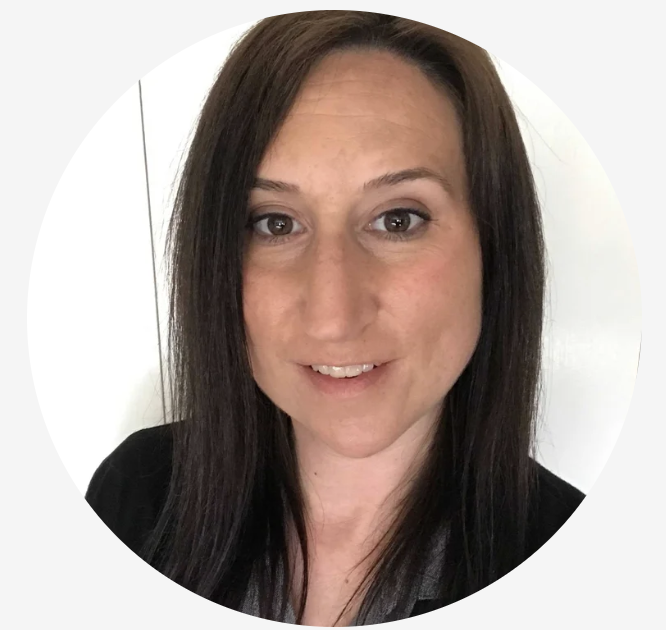
JESSICA ROSS, PHD
CURRENT COLLABORATORS
-
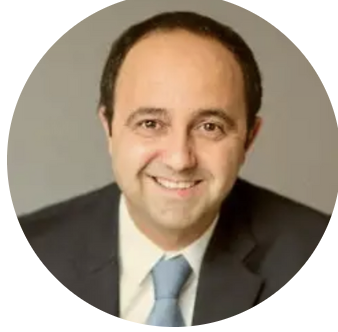
JOSEF PARVIZI, MD, PHD
PROFESSOR OF NEUROLOGY
STANFORD UNIVERSITY -
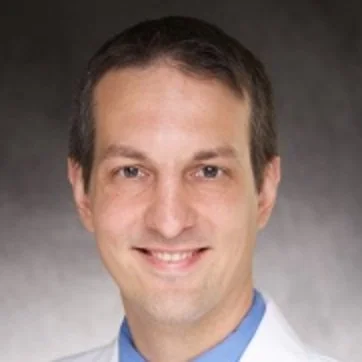
AARON BOES, MD, PHD
ASSOC PROF NEUROLOGY
UNIV OF IOWA MEDICAL CENTER -
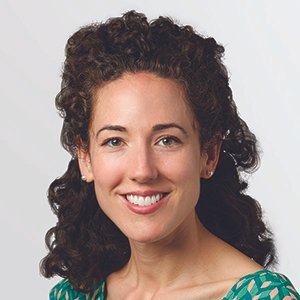
FIONA BAUMER, MD
ASST PROF OF NEUROLOGY
STANFORD UNIVERSITY -
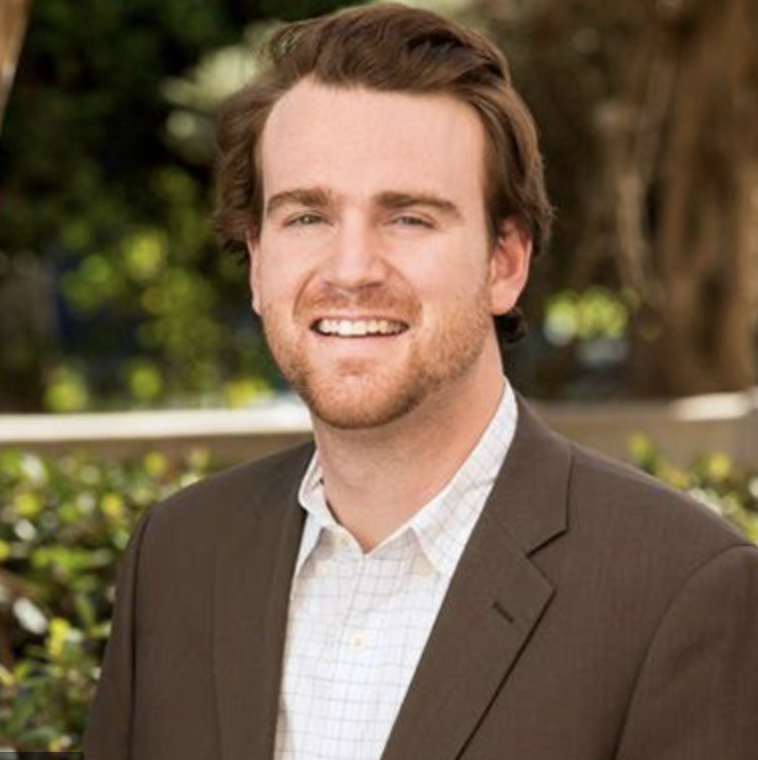
NOLAN WILLIAMS, MD
ASST PROFESSOR OF PSYCHIATRY
STANFORD UNIVERSITY -
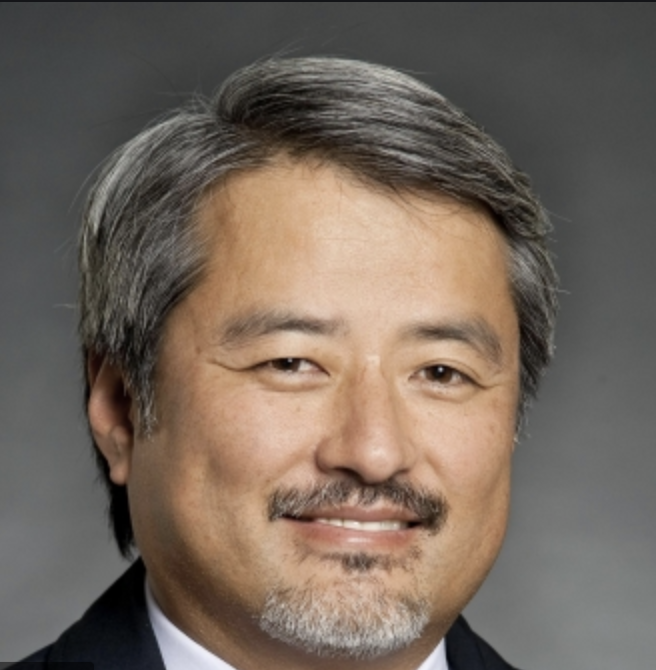
JONG YOON, MD
ASSOC PROF OF PSYCHIATRY
STANFORD UNIVERSITY -
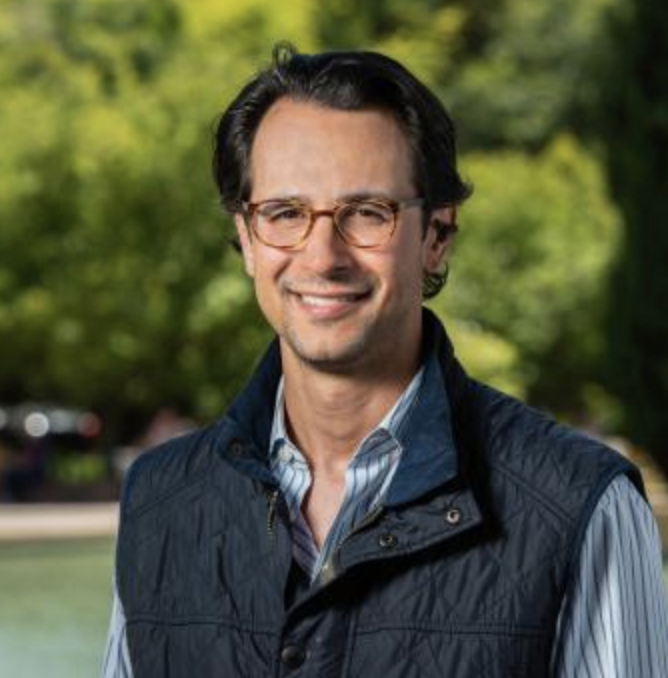
CASEY HALPERN, MD
ASST PROFESSOR, NEUROSURGERY
STANFORD UNIVERSITY